3D Printing for Heavy Engineering

Solving Complex Engineering Challenges with Industrial 3D Printing

From prototyping massive components to producing durable end-use metal parts, Sahas supports the heavy engineering sector with scalable 3D printing, custom tooling, and rapid part replacement; all with unmatched precision and turnaround.

Let's Discuss
Trusted by 1,500+ leading companies for additive manufacturing.

We help multiple sectors identify and implement the right 3D printing solutions: cost optimisation, faster timelines, and long-term reliability.

Company Logo 26
Company Logo 2
Company Logo 3
Company Logo 4
Company Logo 5
Company Logo 6
Company Logo 7
Company Logo 8
Company Logo 9
Company Logo 10
Company Logo 11
Company Logo 12
Company Logo 13
Company Logo 14
Company Logo 15
Company Logo 16
Company Logo 17
Company Logo 18
Company Logo 19
Company Logo 20
Company Logo 21
Company Logo 22
Company Logo 23
Company Logo 24
Company Logo 25
Company Logo 1
Company Logo 27
Company Logo 28
Company Logo 29
Company Logo 30
Company Logo 31

Large-Scale Prototyping

  • Pump Casing Mockups
  • Compressor Housing Models
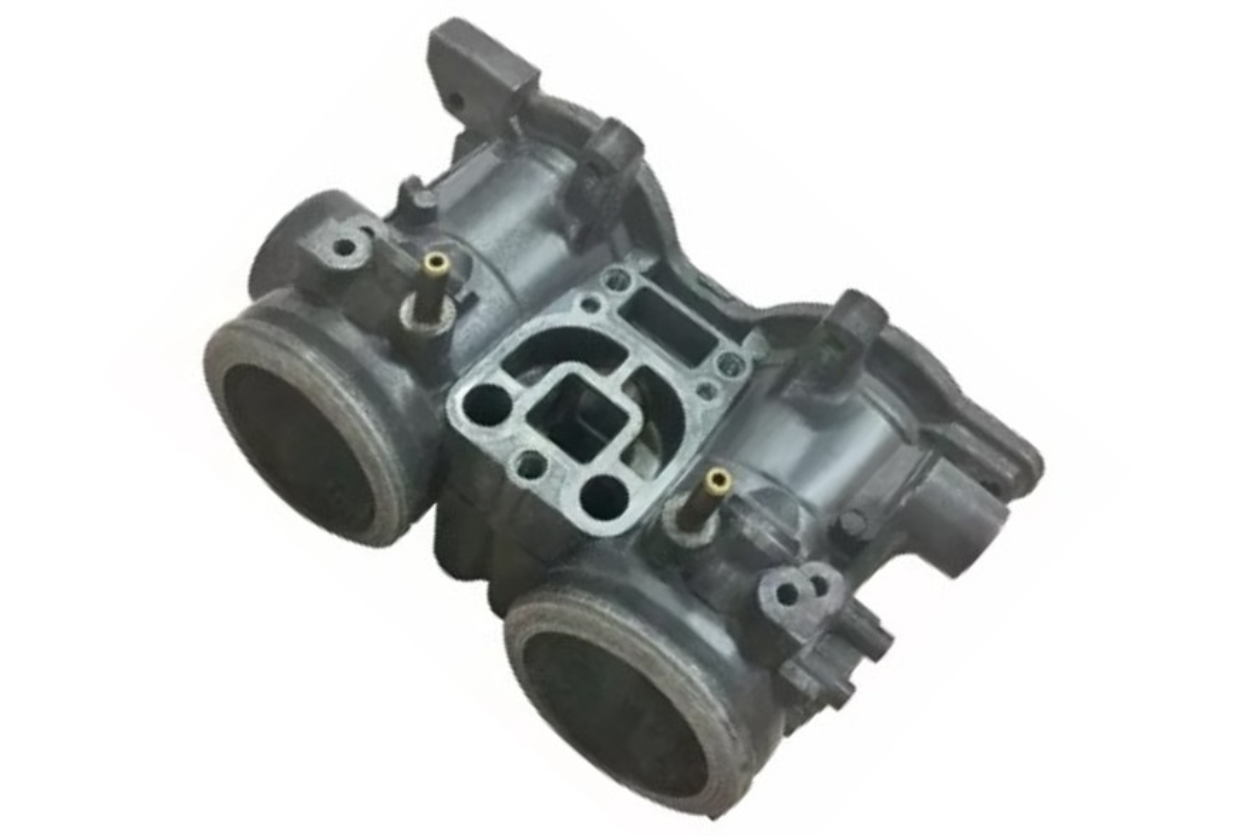
  • Gearbox body casings
  • Turbine shell prototypes

Tooling & Fixtures

  • Assembly Jigs
  • Welding & Inspection Fixtures
  • Custom drill guides
  • Heavy-duty clamping and positioning tools

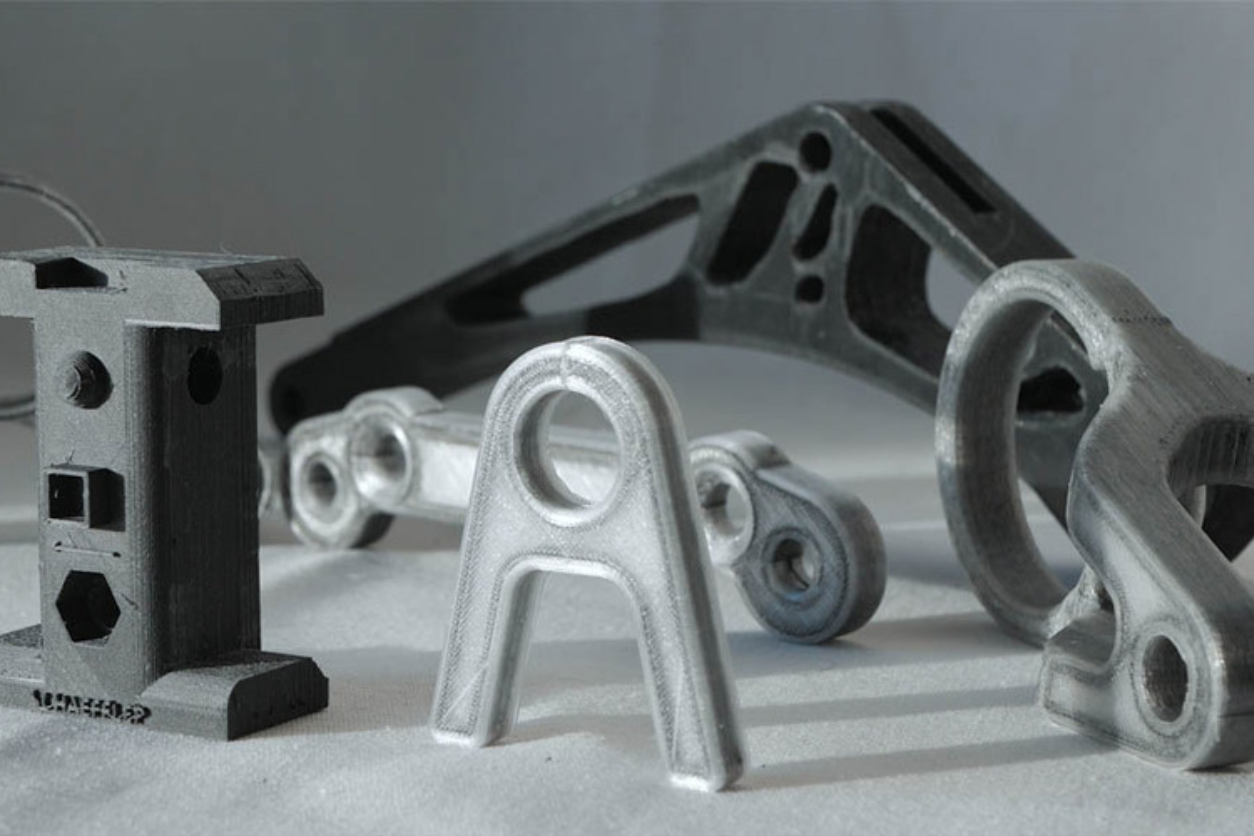
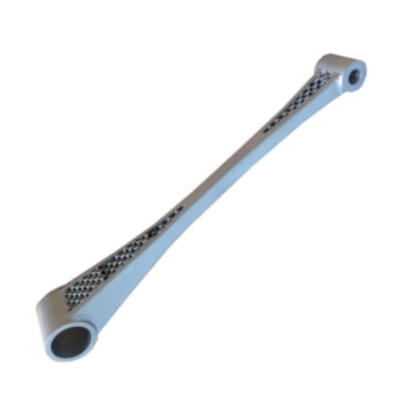
End-Use Metal Parts

  • Pump Impellers
  • Turbine Blades
  • Custom couplings
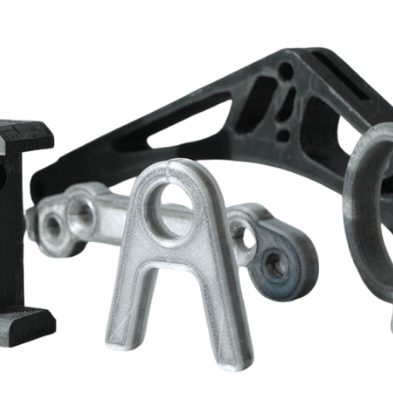
  • Structural connectors for industrial machines

Spare Parts & Maintenance

  • Gearbox Covers
  • Obsolete Equipment Parts
  • Flange covers and dust shields
  • Replacement panels and brackets

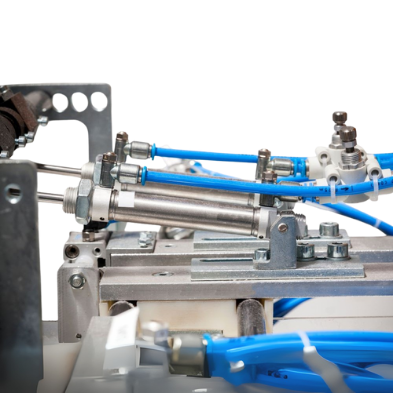
Hydraulic & Pneumatic Systems

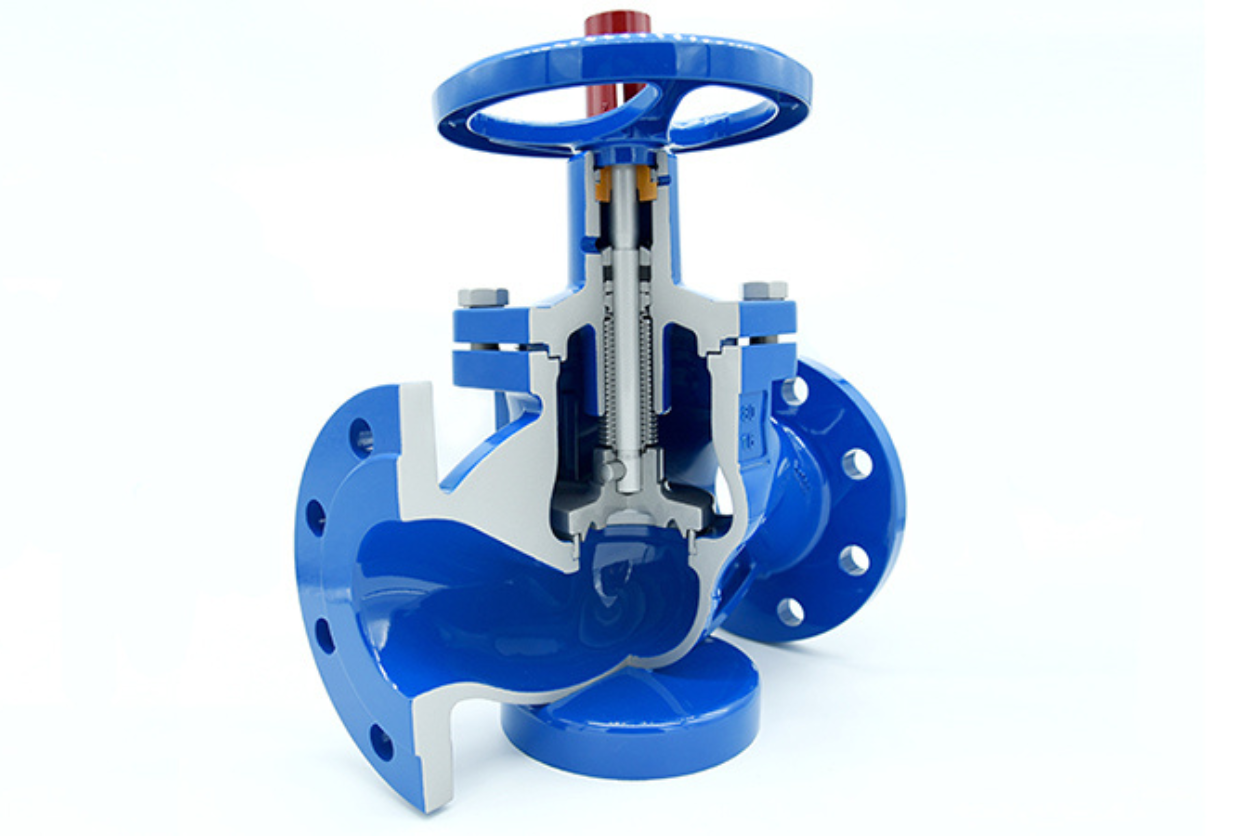
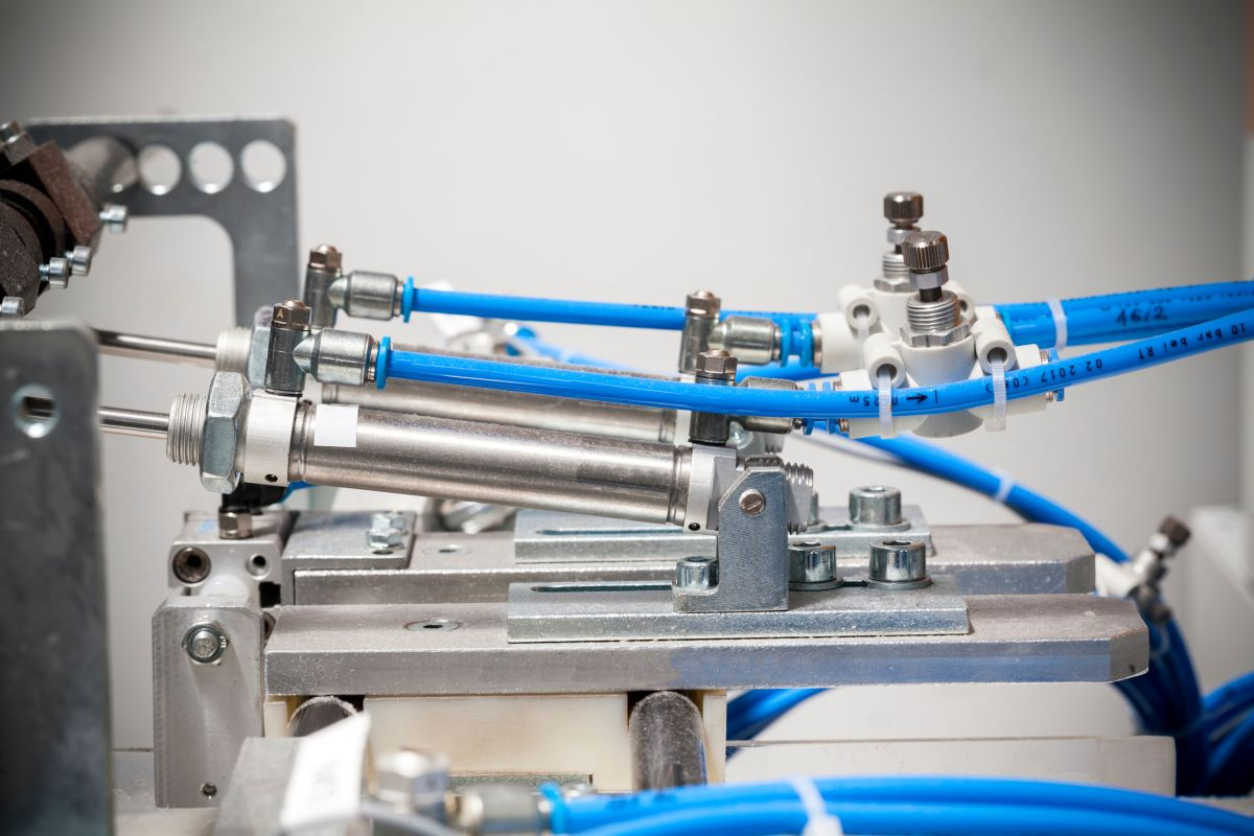
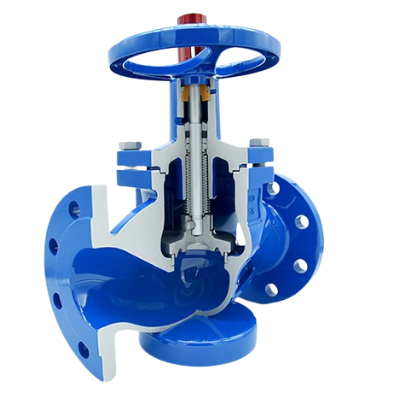
  • Custom Valves & Connectors
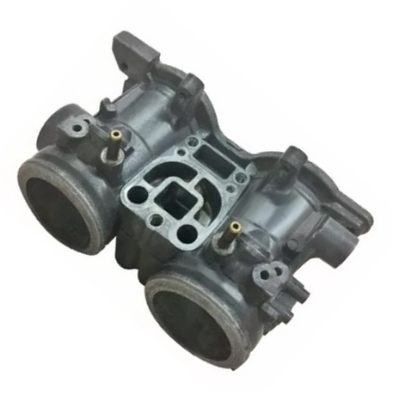
  • Air & Fluid Control Blocks
  • Mounting brackets for hydraulic units
  • Pressure-regulating system components

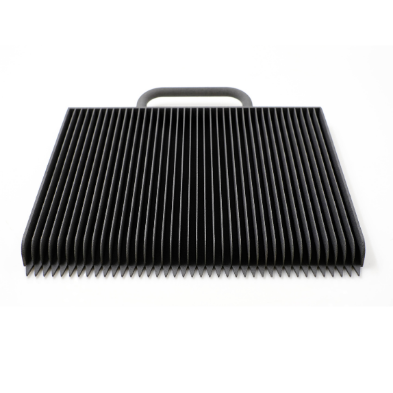
Heat Exchangers & Cooling

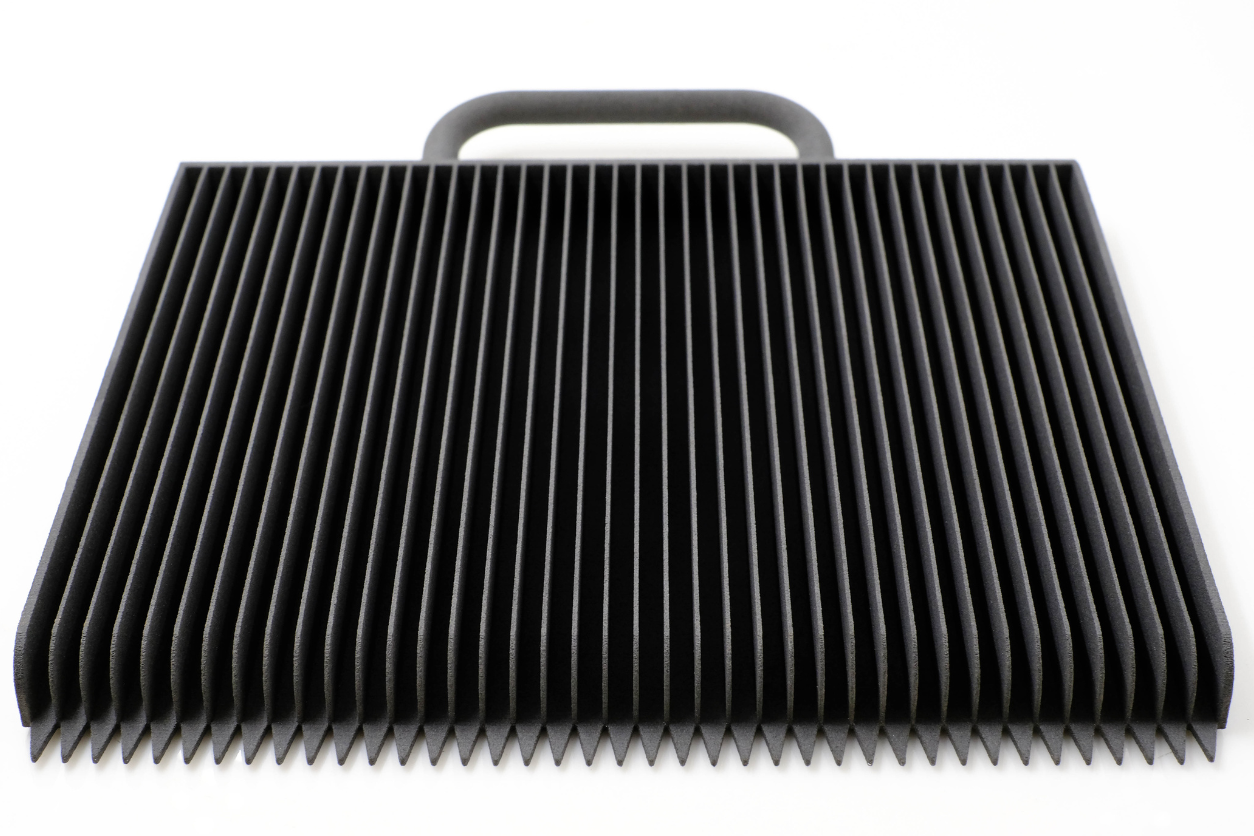
  • Conformal Heat Exchangers
  • Cooling Fins & Ducts
  • Manifold components
  • Compact radiator blocks

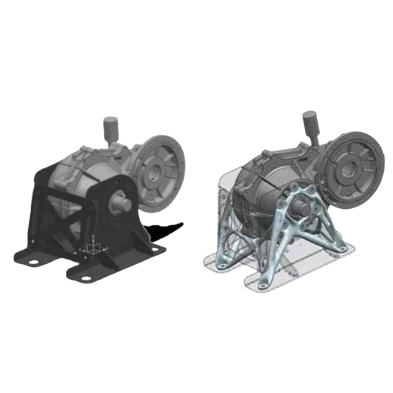
Industrial System Optimization

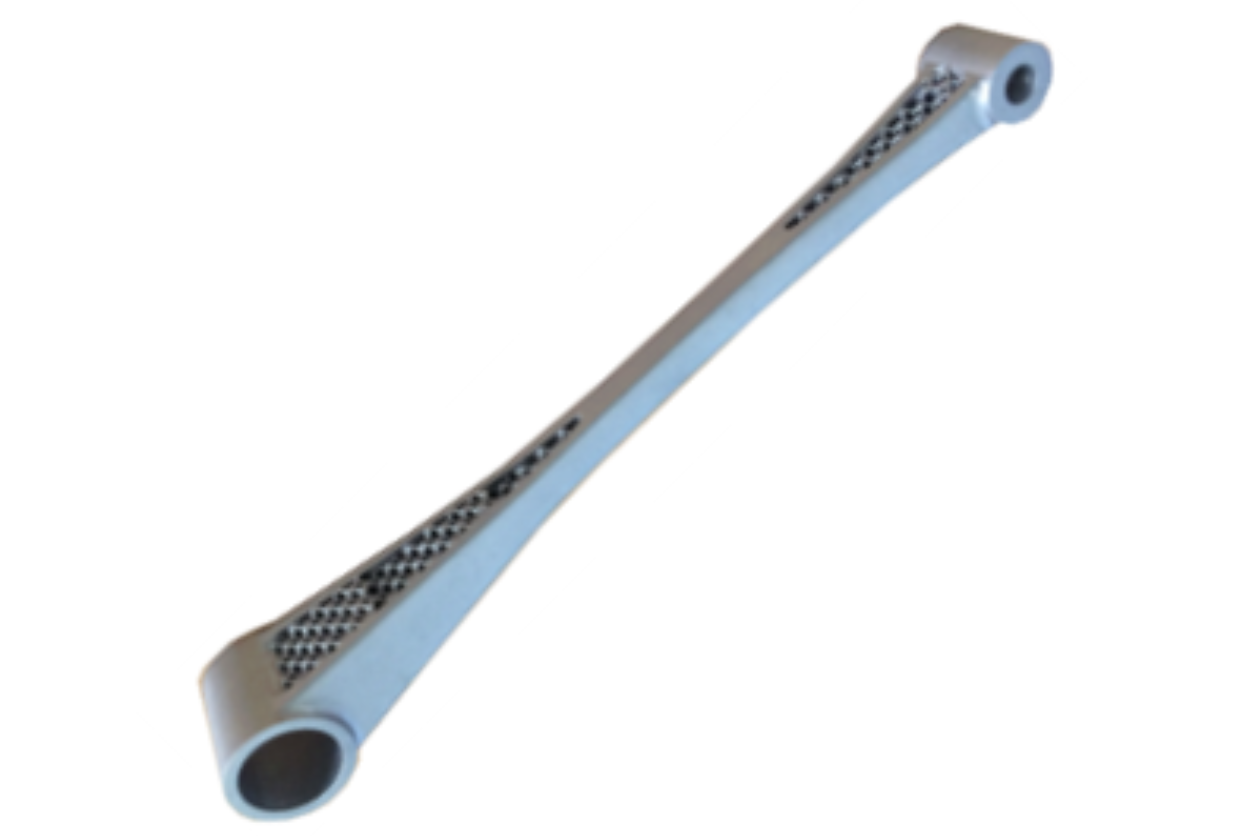
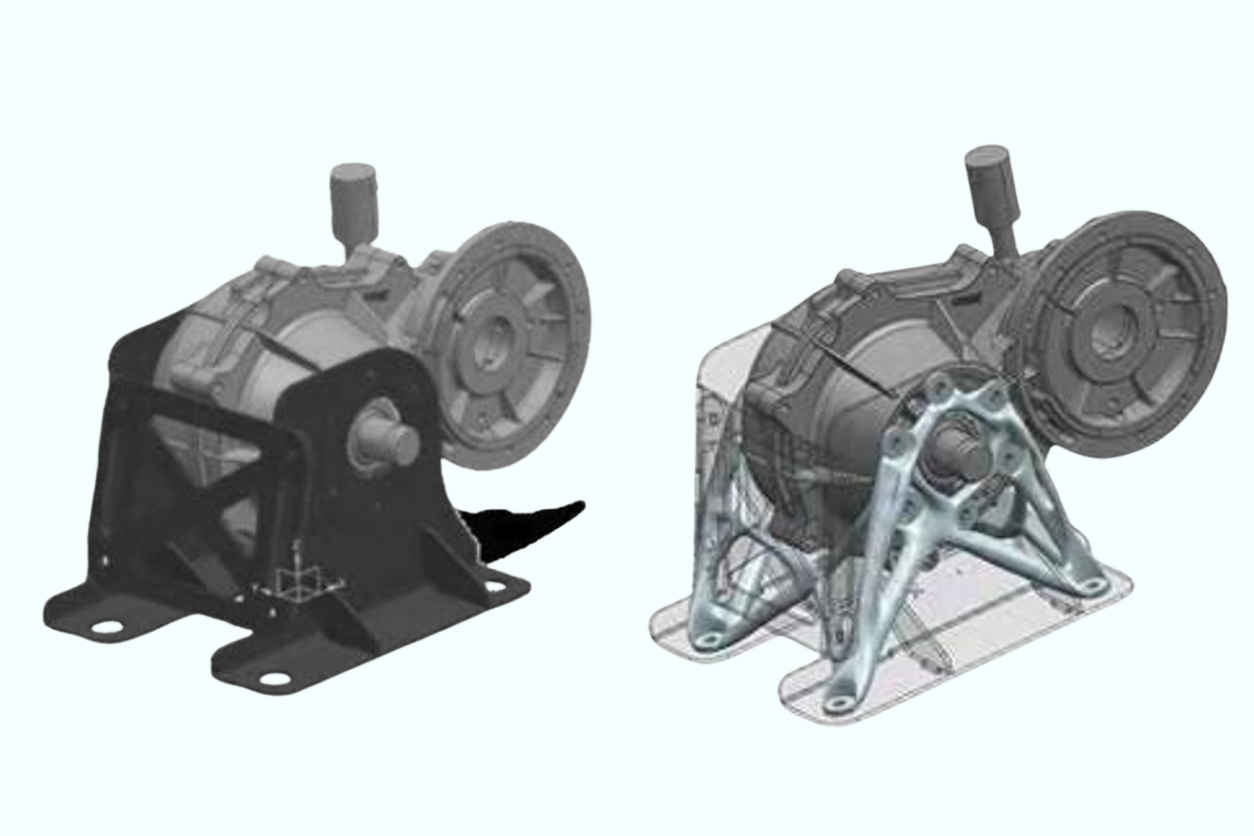
  • Lattice-structured parts for weight reduction
  • Flow-optimised internal geometries
  • Redesigns for improved thermal performance
  • Reduced-part-count assemblies

Our Case Studies

Explore the solutions we've delivered.

Let's connect
Contact Form Image

Frequently Asked Questions

Technologies like FDM, Binder Jetting, and SLA are used to create large functional prototypes for fit, ergonomics, and design validation—reducing development time and cost.
Yes, industrial-grade FDM and SLS are ideal for producing custom jigs, assembly fixtures, and handling tools that are cost-effective and optimized for shop floor operations.
Metal 3D printing (DMLS/LPBF) delivers high-strength, fully dense parts in alloys like Inconel, stainless steel, and tool steel—suitable for demanding mechanical environments.
On-demand 3D printing eliminates the need for high inventory costs by producing critical spares quickly, especially for obsolete or low-volume parts in legacy equipment.
Yes, 3D printing is used to manufacture custom manifolds, brackets, and fluid handling components with internal channels—especially using metal AM and high-strength polymers.
Metal 3D printing enables the production of complex heat exchangers with conformal cooling channels and optimized geometry for improved thermal efficiency in compact form factors.
Additive manufacturing allows lightweighting, performance tuning, and design consolidation—leading to reduced part count, improved efficiency, and faster production cycles.
FDM and Binder Jetting are ideal for large-format plastic and sand molds, while DMLS and DED (Directed Energy Deposition) are used for high-strength, load-bearing metal parts.
Yes, through 3D scanning and reverse engineering, we can recreate CAD models of obsolete parts and manufacture them using appropriate additive or subtractive processes.
3D printing reduces downtime, lowers tooling costs, accelerates prototyping, and enables customization—all of which improve operational efficiency in industrial settings.
WhatsApp