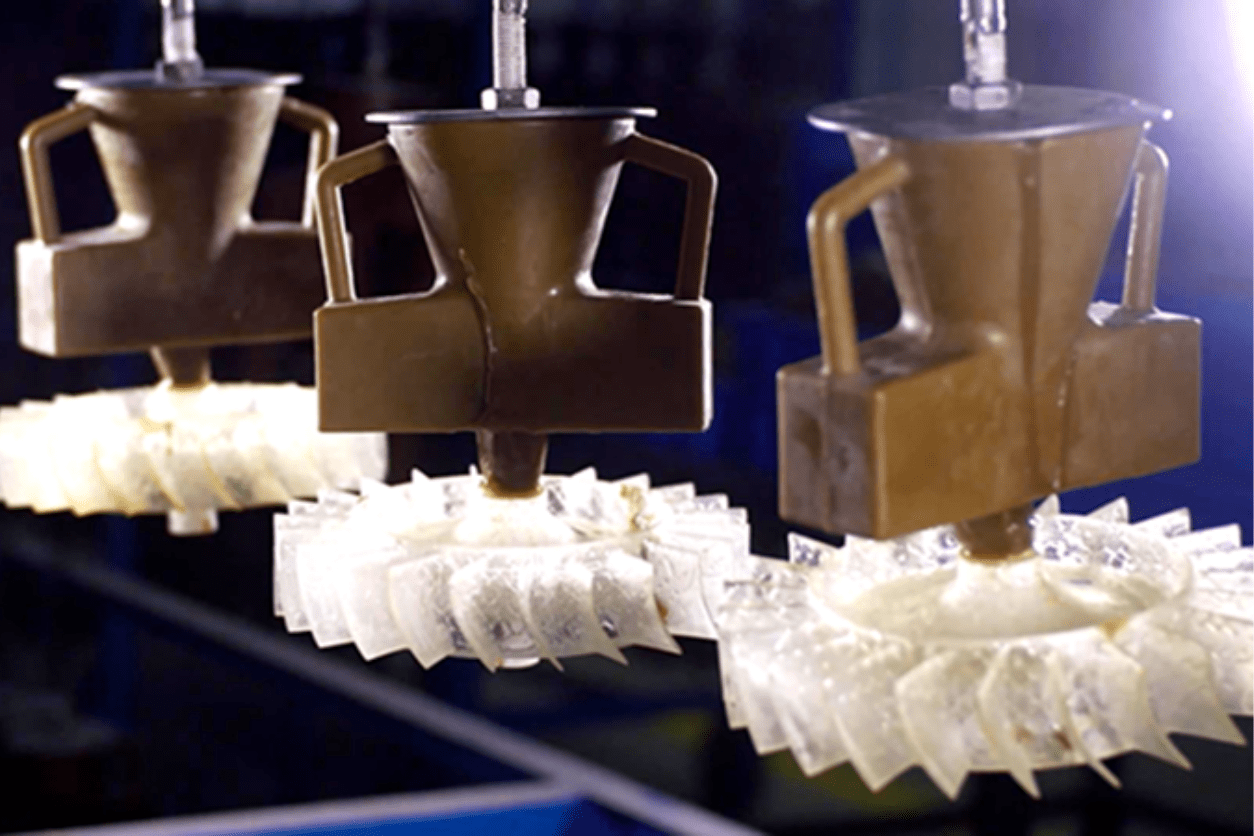
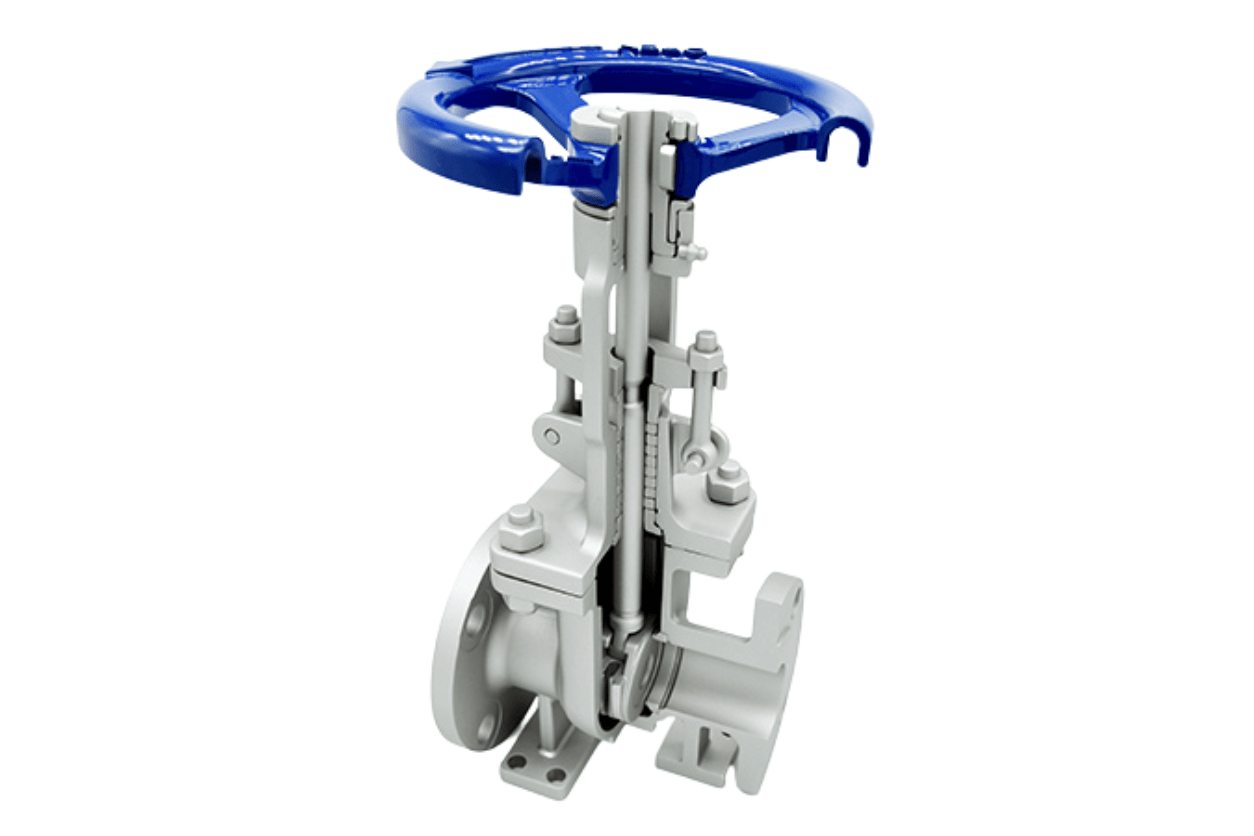
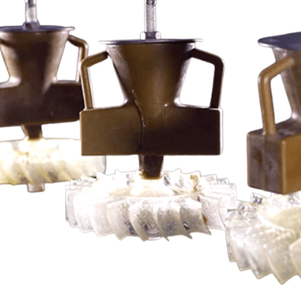
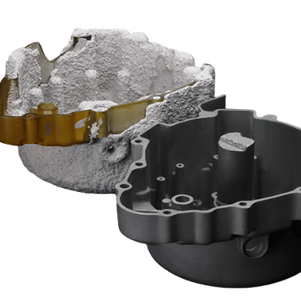
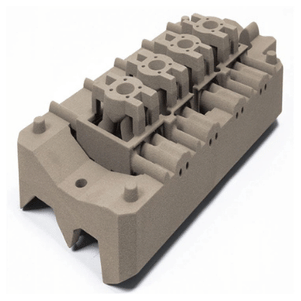
3D Printing for Casting & Forging Industries

Next-Gen Patterns and Molds, Made Simple

Accelerate product development, reduce tooling costs, and prototype faster with 3D printing solutions tailored for casting and forging applications.

Let's Discuss
Trusted by 1,500+ leading companies for additive manufacturing.

We help multiple sectors identify and implement the right 3D printing solutions: cost optimisation, faster timelines, and long-term reliability.

Company Logo 26
Company Logo 2
Company Logo 3
Company Logo 4
Company Logo 5
Company Logo 6
Company Logo 7
Company Logo 8
Company Logo 9
Company Logo 10
Company Logo 11
Company Logo 12
Company Logo 13
Company Logo 14
Company Logo 15
Company Logo 16
Company Logo 17
Company Logo 18
Company Logo 19
Company Logo 20
Company Logo 21
Company Logo 22
Company Logo 23
Company Logo 24
Company Logo 25
Company Logo 1
Company Logo 27
Company Logo 28
Company Logo 29
Company Logo 30
Company Logo 31

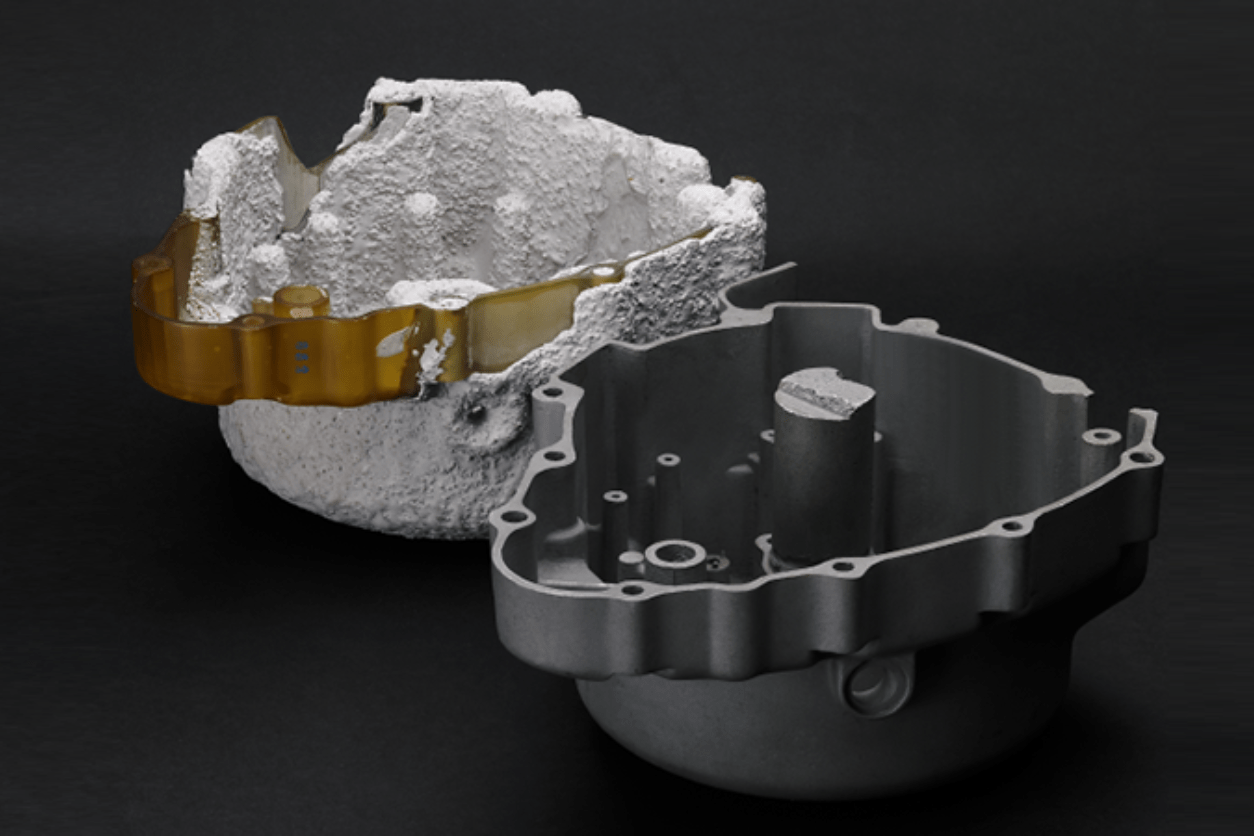
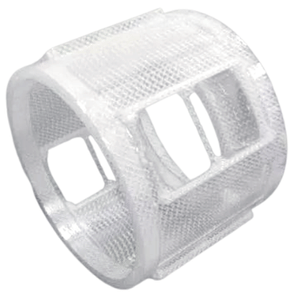
Pattern Making

  • Sand casting patterns
  • Investment casting patterns
  • Dimensionally accurate master patterns
  • Low-volume or experimental castings

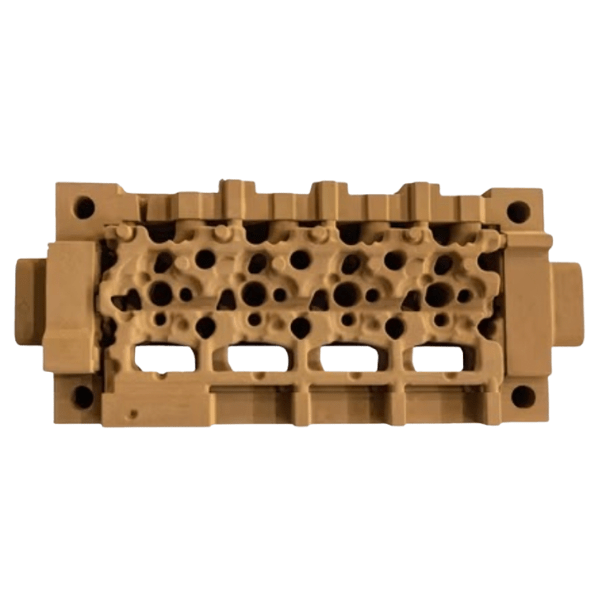
Tooling & Molds

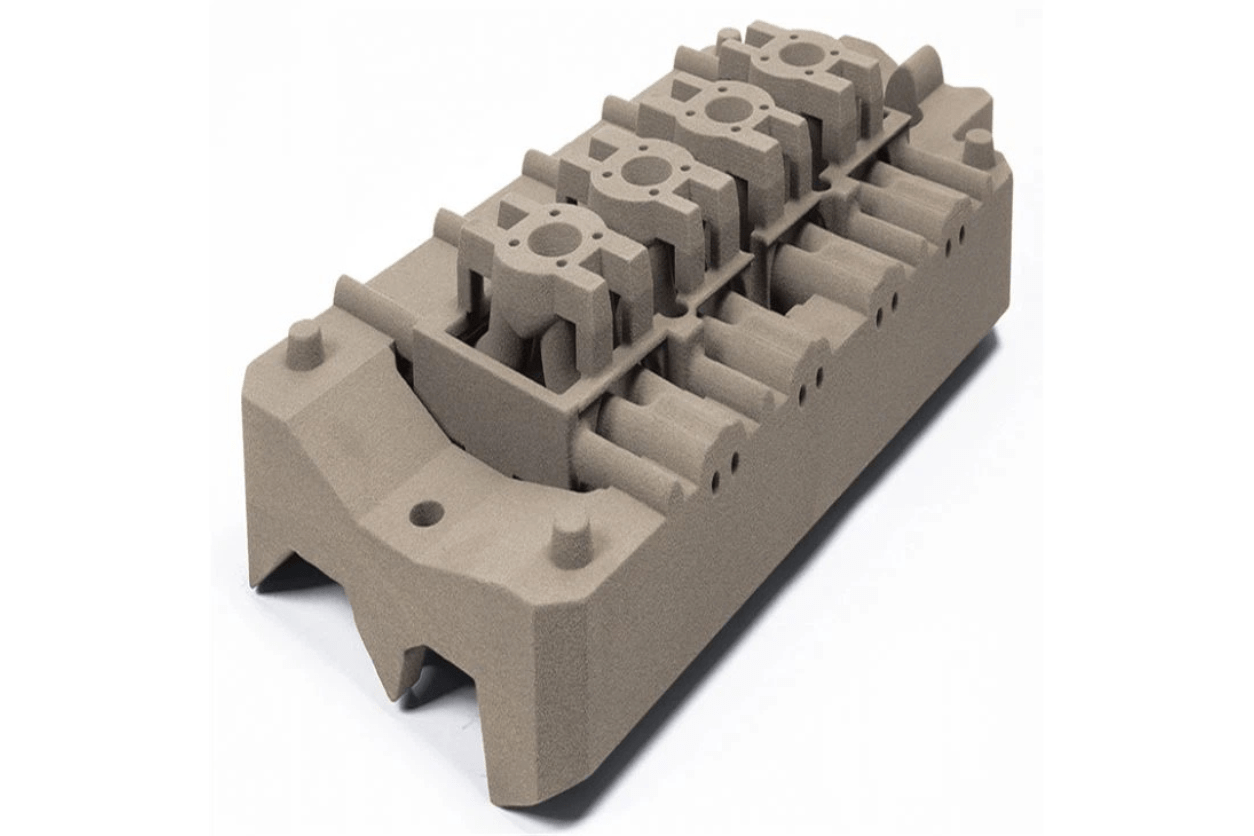
  • Shell molds
  • Permanent molds
  • Reusable, high-strength tooling
  • High-temperature material compatibility

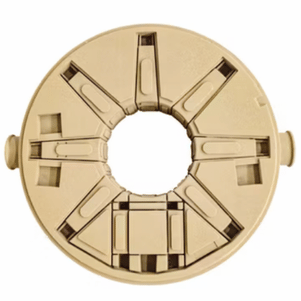
Core Making

  • Complex sand cores
  • Hollow cores with cooling channels
  • Geometry difficult to machine traditionally
  • High-precision internal features

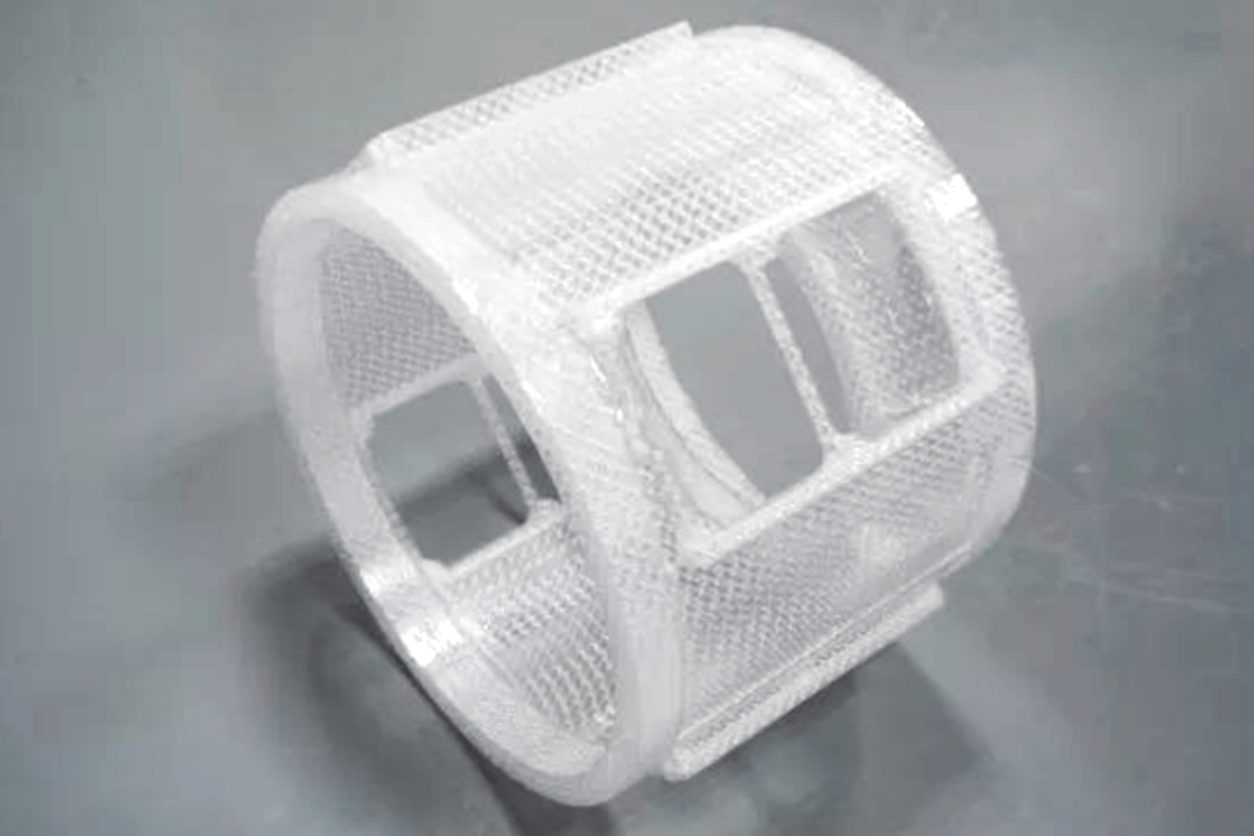
Wax Pattern Substitution

  • Direct print wax patterns
  • High-precision burnout models
  • Compatible with standard burnout workflows
  • Surface finish suitable for final casting

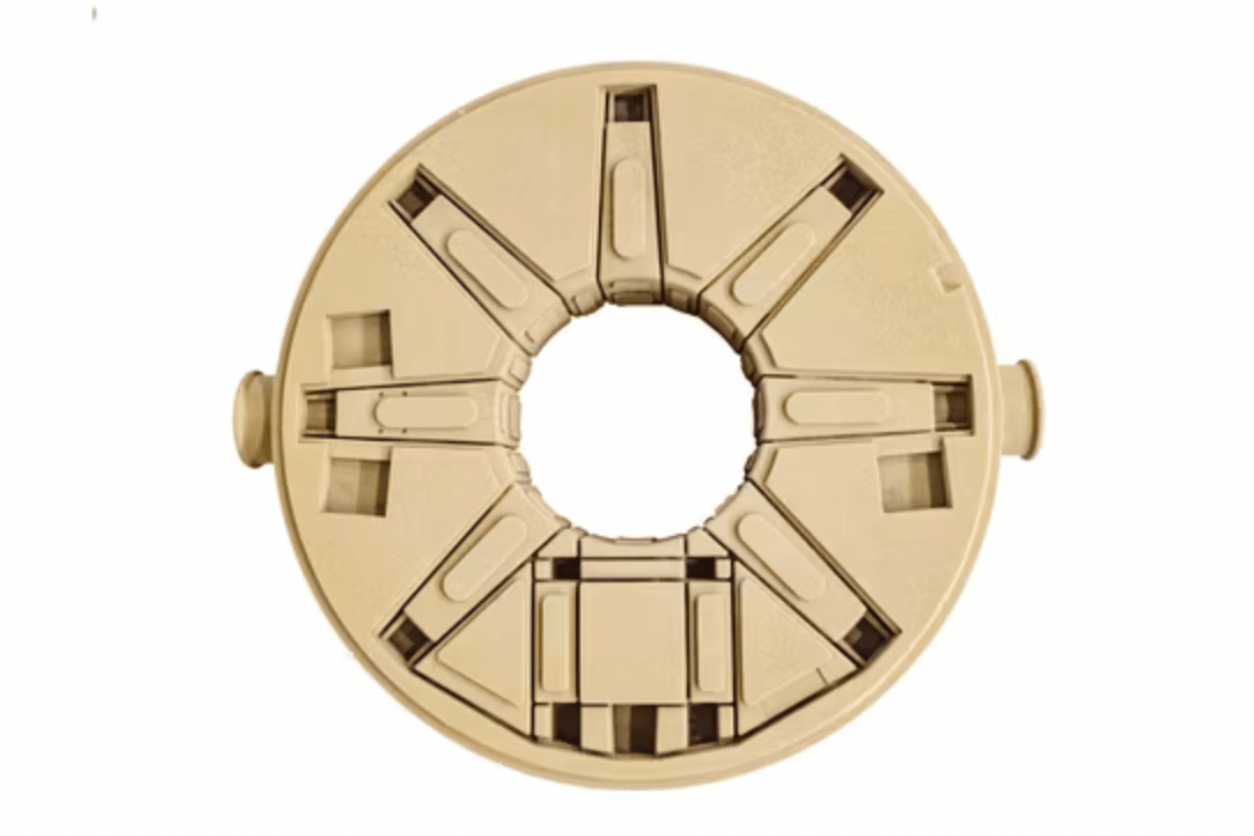
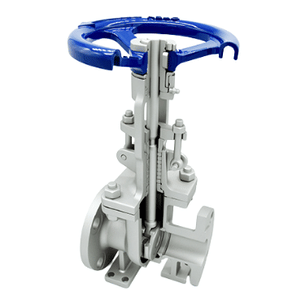
Die Inserts & Molds

  • Forging die inserts
  • Closed die forging molds
  • Ready for extreme pressure applications
  • Custom inserts with complex form

Rapid Prototyping

  • Casting Design Validation
  • Fit & Flow Simulation Models
  • Design verification before full-scale production
  • Quick iterations for reduced development cycles

Our Case Studies

Explore the solutions we've delivered.

Let's connect
Contact Form Image

Frequently Asked Questions

3D printing allows rapid creation of prototype patterns and tooling inserts, enabling foundries and forges to validate part geometry and mold design before full-scale production.
Yes, 3D printed patterns can be used in sand casting or investment casting processes to produce fully functional metal components in steel, aluminum, or other alloys.
Custom geometries, internal channels, and text engravings can be easily added to 3D printed patterns—reducing tooling lead times and increasing design flexibility.
3D printing is used to produce custom tooling components, core boxes, and inspection jigs—streamlining setup and reducing costs in low- and medium-volume operations.
Yes, reverse engineering combined with 3D printing enables quick production of obsolete or hard-to-find components for casting or forging replication.
Customized appliance accessories or mold inserts can be printed and cast to exact specifications, especially when traditional tooling is too expensive or unavailable.
3D printed sand molds eliminate the need for traditional pattern tooling, allowing complex geometries, undercuts, and faster iteration cycles in the sand casting process.
Yes, individual fabricators and home foundries use 3D printing to prototype new products, validate mold designs, and produce casting patterns with low up-front costs.
3D scanning and printing enable fast reproduction of worn parts or dies for re-casting or forging, minimizing downtime in industrial equipment and tooling.
SLA/DLP are used for high-precision investment casting patterns, Binder Jetting for sand molds and cores, and FDM for low-cost prototypes and fit-check models.
WhatsApp