Defence & Aerospace 3D Printing Solutions

Reinventing Aerospace, One Layer at a Time

From lightweight aircraft parts to rapid prototyping and thermal solutions, 3D printing is transforming aerospace manufacturing with speed, precision, and design freedom.

Let's Discuss
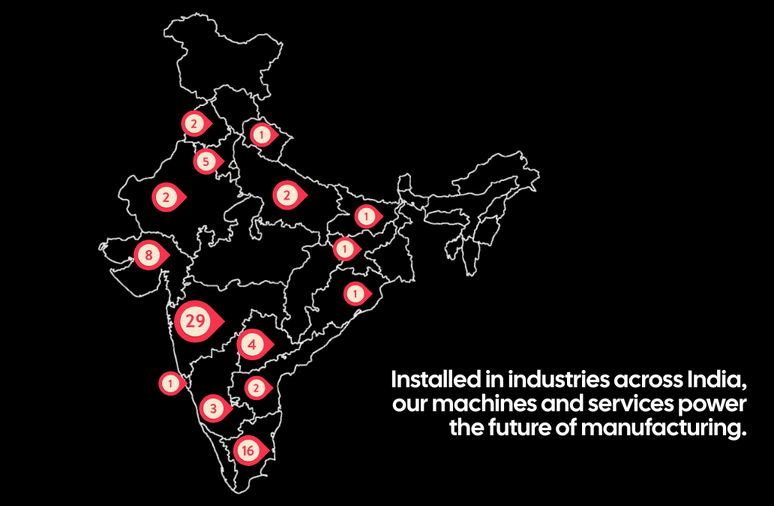
Trusted by 1,500+ leading companies for additive manufacturing.

We help multiple sectors identify and implement the right 3D printing solutions: cost optimisation, faster timelines, and long-term reliability.


Company Logo 26
Company Logo 2
Company Logo 3
Company Logo 4
Company Logo 5
Company Logo 6
Company Logo 7
Company Logo 8
Company Logo 9
Company Logo 10
Company Logo 11
Company Logo 12
Company Logo 13
Company Logo 14
Company Logo 15
Company Logo 16
Company Logo 17
Company Logo 18
Company Logo 19
Company Logo 20
Company Logo 21
Company Logo 22
Company Logo 23
Company Logo 24
Company Logo 25
Company Logo 1
Company Logo 27
Company Logo 28
Company Logo 29
Company Logo 30
Company Logo 31

Lightweight Structures

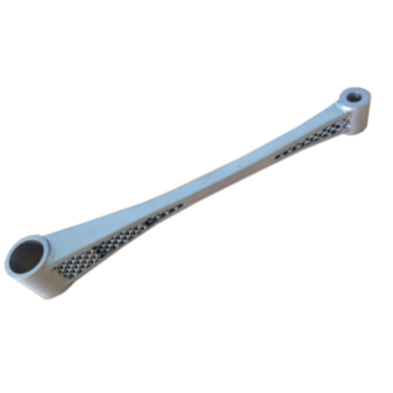
  • Topology-Optimized Brackets
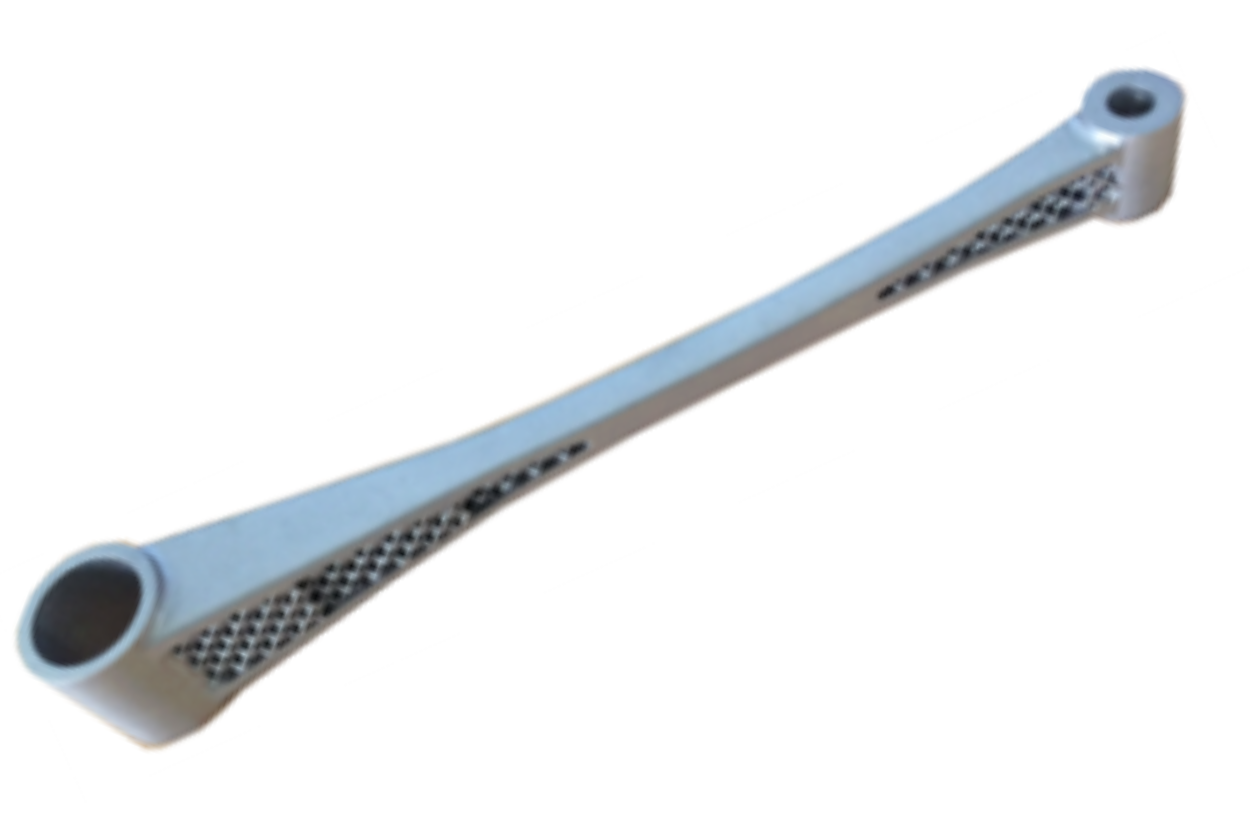
  • Lattice Structural Components
  • Mass-reduced mounts and connectors
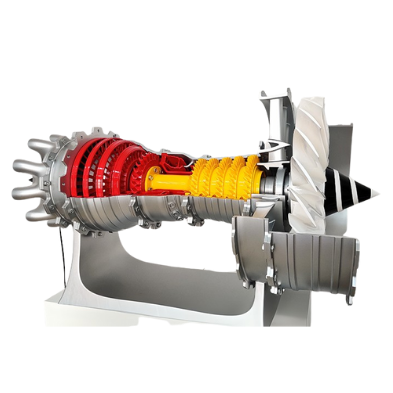
  • Weight-efficient engine supports

Thermal Management

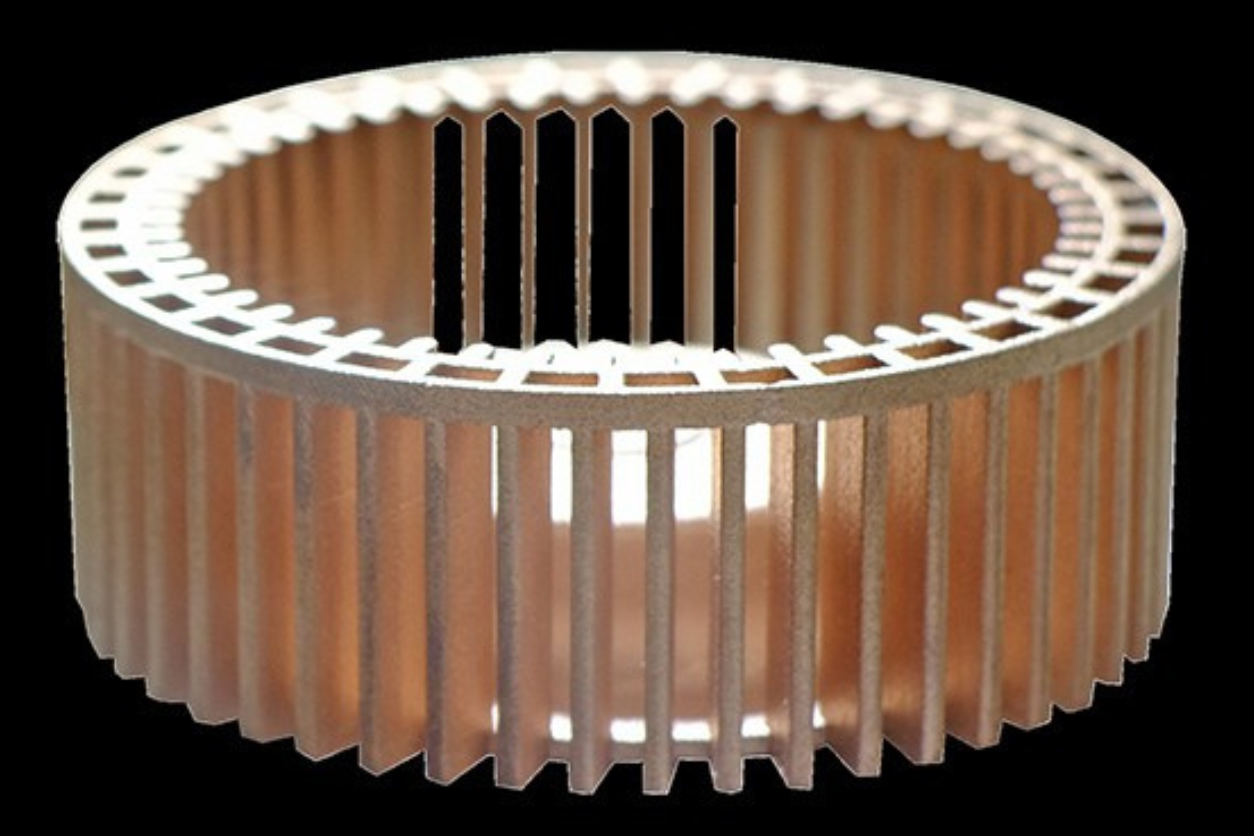
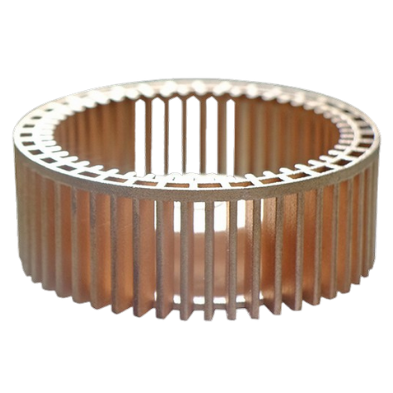
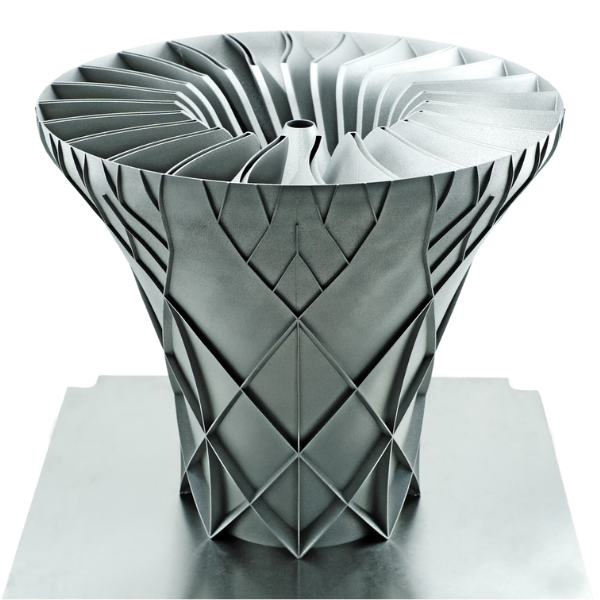
  • Heat Exchangers
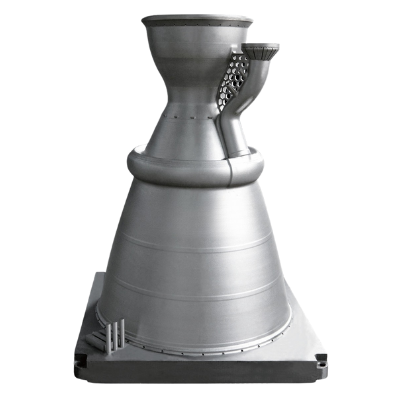
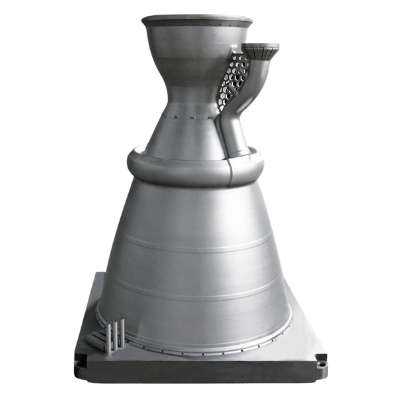
  • Nozzle Cooling Ducts
  • Compact thermal control units
  • Airflow-optimized radiator fins

Prototyping & Design Validation

  • Wind Tunnel Test Models
  • Fit and Assembly Mocks
  • Aero-surface shape validation
  • Ergonomic cockpit panel mockups

Functional Flight Hardware

  • Satellite Antenna Arms
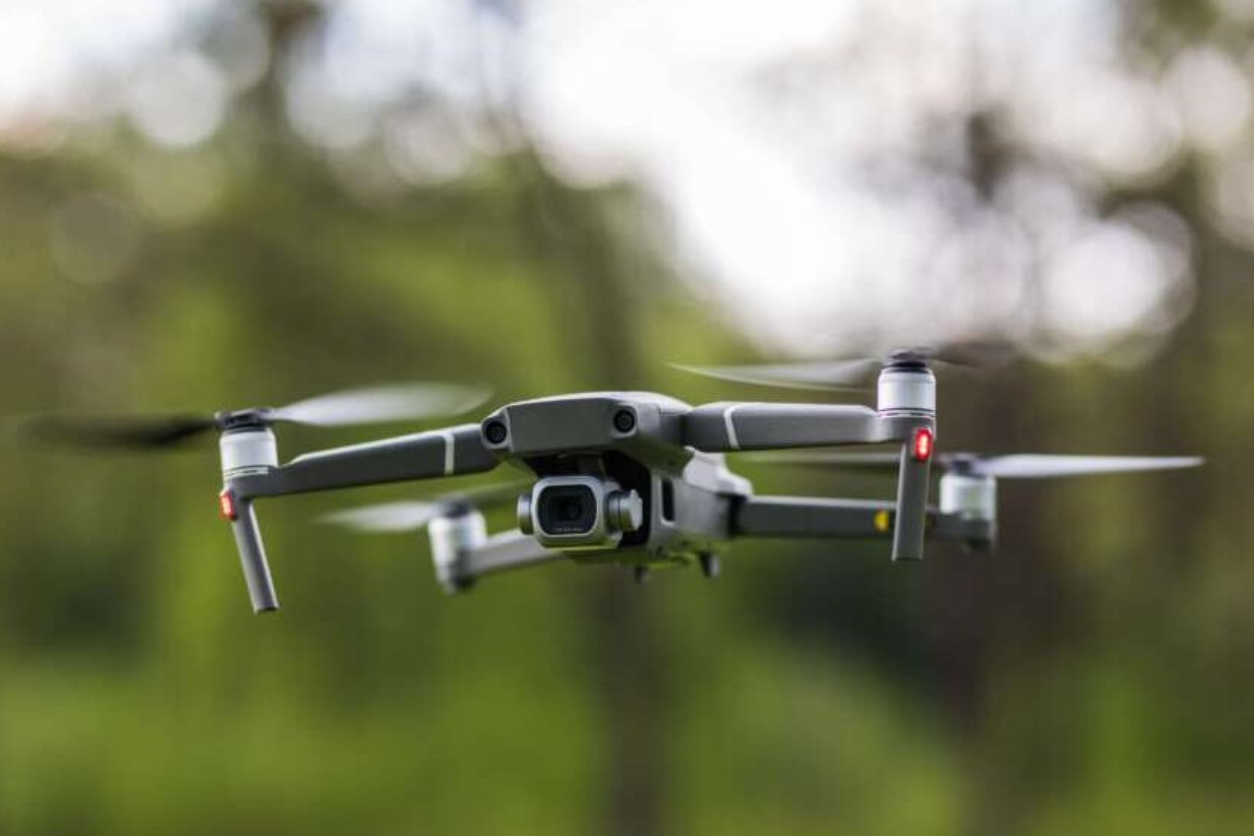
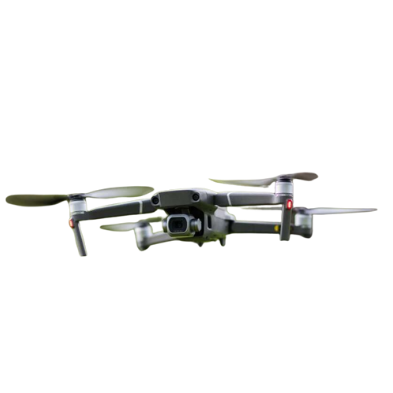
  • UAV Propulsion Components
  • Thruster mount structures
  • Bracketry for payload systems

Tooling & Jigs

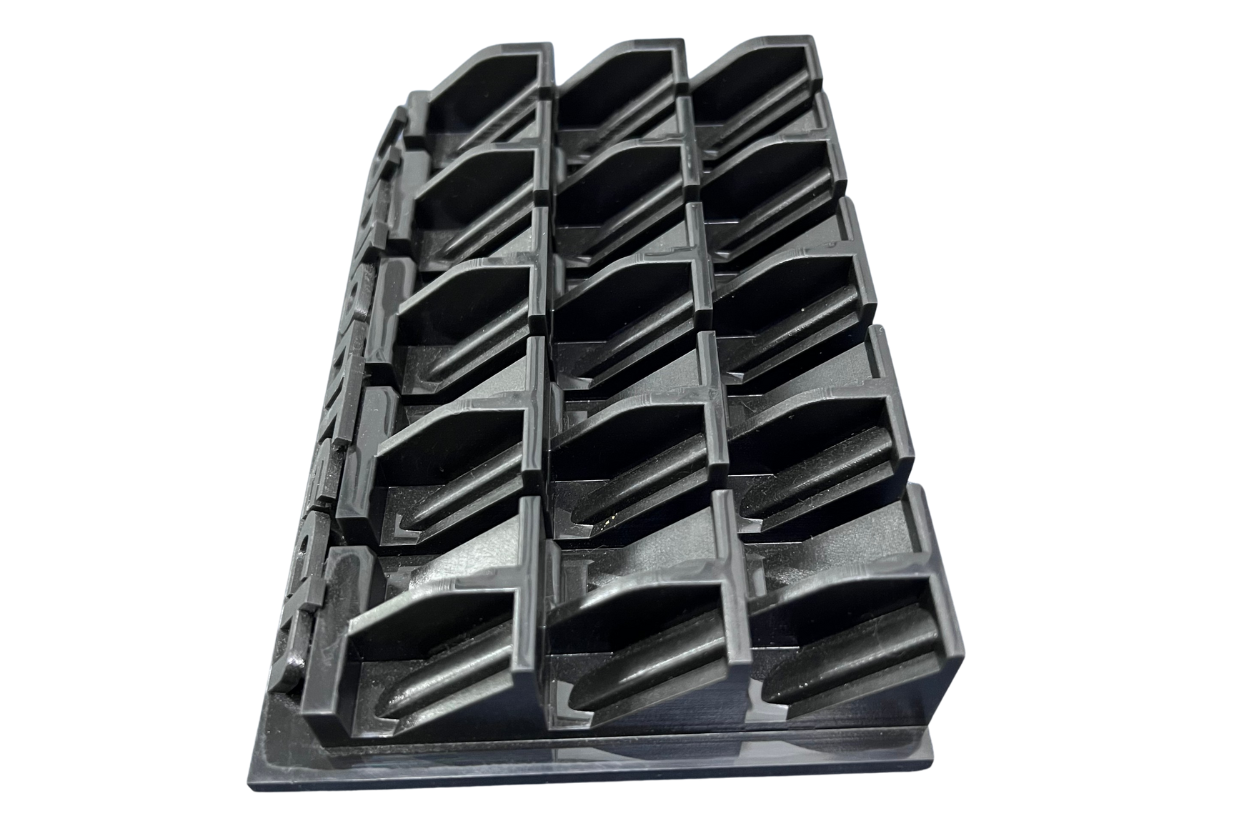
  • Drilling Templates
  • Composite Layup Molds
  • Assembly positioning fixtures
  • Inspection and alignment gauges

Spare Parts & MRO

  • Obsolete Spare Parts
  • Rapid On-Site Replacements
  • Low-volume legacy components
  • Custom retrofits for ageing platforms

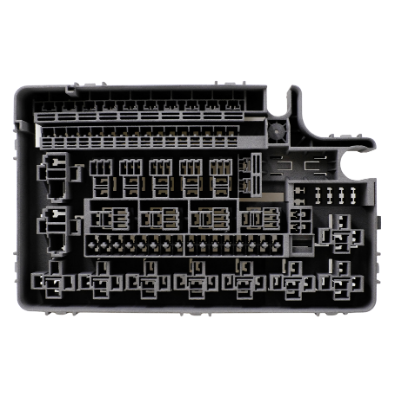
Avionics & Housings

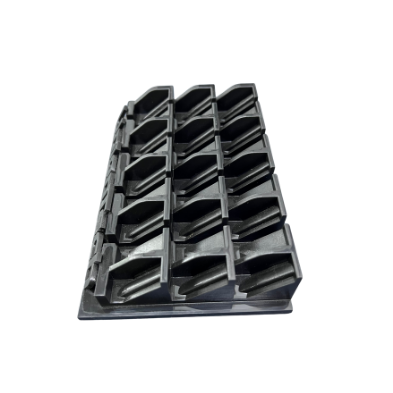
  • Sensor Housings
  • Cable Routing Covers
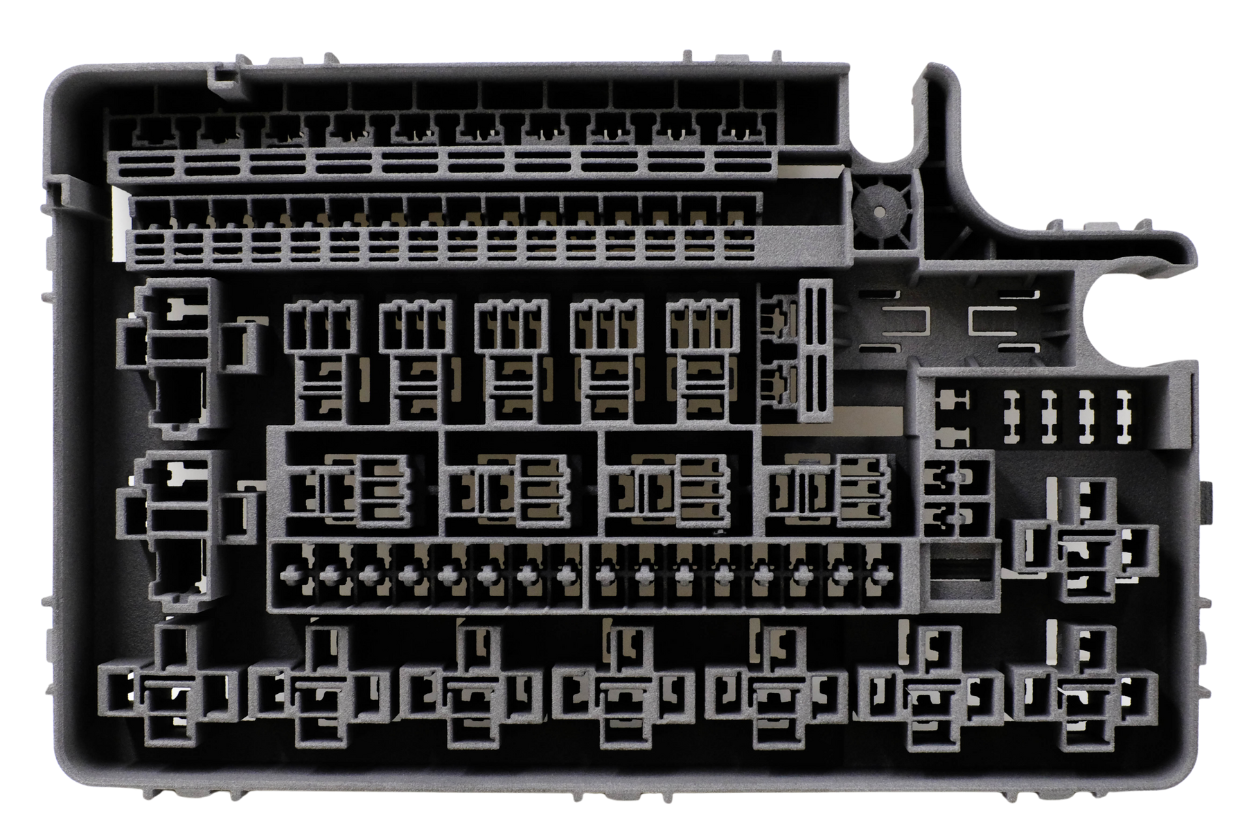
  • Shielded electronic enclosures
  • Custom brackets for cockpit integration

Our Case Studies

Explore the solutions we've delivered.

Let's connect
Contact Form Image

Frequently Asked Questions

3D printing allows for topology-optimized designs and lattice structures that reduce weight while maintaining strength—essential for fuel efficiency and payload optimization in aircraft and spacecraft.
Yes, metal 3D printing enables the production of complex heat exchangers and thermal control components with internal cooling channels for efficient temperature regulation in aerospace systems.
Engineers use 3D printing to rapidly prototype parts for aerodynamic testing, fit-checking, and validation—significantly reducing design cycles and tooling costs.
Yes, aerospace-grade materials like titanium, Inconel, and ULTEM are used in DMLS and FDM to manufacture functional flight hardware certified by regulatory authorities like FAA and EASA.
Custom jigs, fixtures, and assembly tools are produced using FDM or SLS for quick deployment on the shop floor—improving precision and reducing manual errors.
Absolutely. Airlines and OEMs use 3D printing to produce low-volume spare parts and legacy components on demand, reducing lead times and minimizing inventory costs.
Materials include titanium, Inconel, aluminum alloys, ULTEM, PEEK, and carbon-fiber composites—selected for their strength-to-weight ratio, thermal resistance, and certification compliance.
Lightweight and EMI-shielded enclosures for avionics systems can be printed in flame-retardant polymers or aluminum alloys—reducing assembly time and enhancing design flexibility.
Yes, digital manufacturing reduces dependency on external suppliers, allows decentralized production, and shortens response time for critical parts in mission-critical applications.
DMLS, SLS, FDM, and Composite 3D Printing are widely used, depending on the application—ranging from structural metal parts to lightweight tooling and polymer components.
WhatsApp