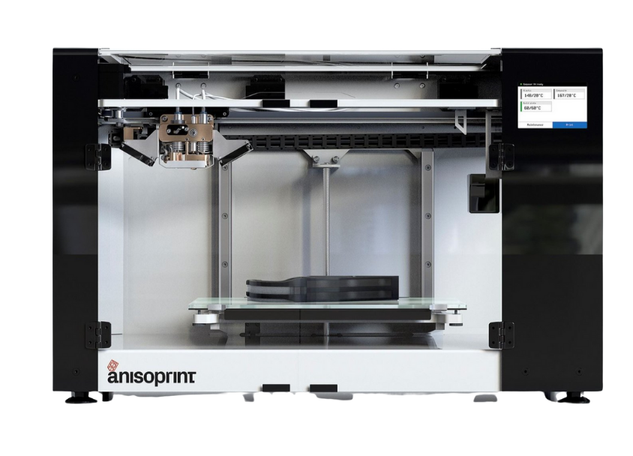
Continuous Carbon Fibre 3D Printers

Continuous Carbon Fiber - Print Parts as Strong as Metal, Without the Weight

Our Continuous Carbon Fiber (CCF) 3D printers enable the production of ultra-strong, lightweight components by embedding continuous fibres like carbon or basalt into engineering-grade thermoplastics. Ideal for replacing aluminium and metal parts in structural applications.

Let's Discuss
Our CCF Machine Setup Process

A step-by-step process to help you choose, test, and implement the right CCF 3D printer.

Step 1

Requirement Analysis

Understand the customer’s application, materials, part size, precision, volume needs, and budget.

Step 2

Machine and Material Selection

Identify the best-fit machine models and compatible materials based on application, performance needs, and budget.

Step 3

Sample Benchmarking (If Needed)

Print sample parts to validate print quality, dimensional accuracy, and material performance for critical applications.

Step 4

Proposal and 3rd Party Financing Options

Share a commercial proposal and assist in exploring leasing, EMI, or institutional finance options to ease the investment.

Step 5

Installation, Training and Support

Manage machine installation, deliver hands-on operator training, and ensure long-term support via AMC or technical service.

Top Applications of Continuous Carbon Fiber 3D Printers

Applications that demand stiffness, durability, and weight reduction.

Aerospace Brackets & Structural Mounts
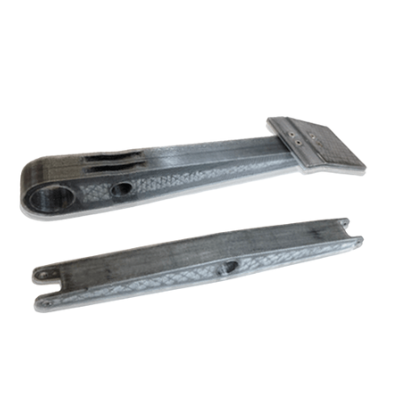
Automotive Lightweighting Components
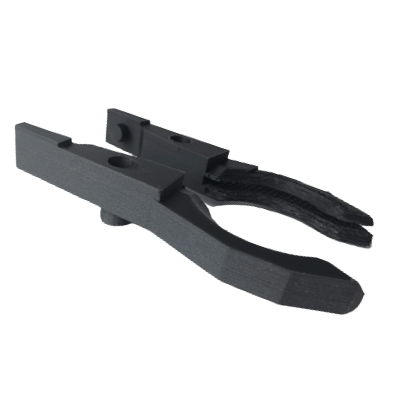
Robotics Arms & End-Effectors
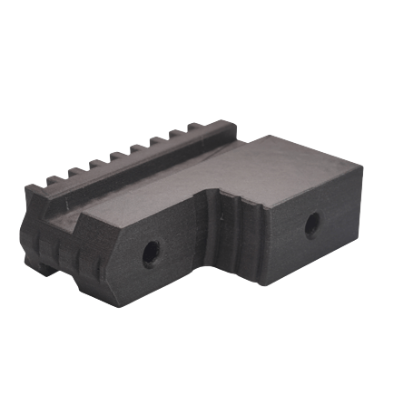
Tooling & Jigs for High-Stress Applications
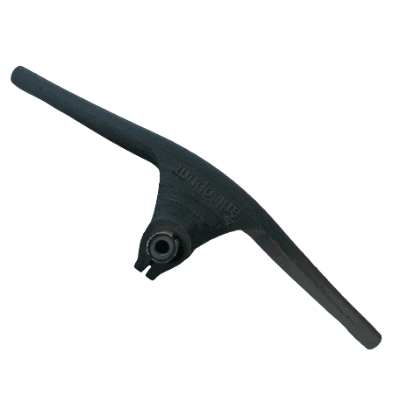
Carbon Fibre Bike and Sport Equipment Parts
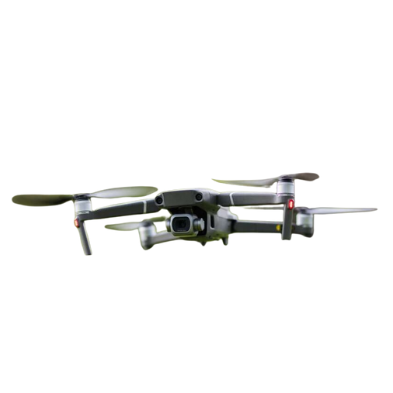
Custom Drones and UAV Frames
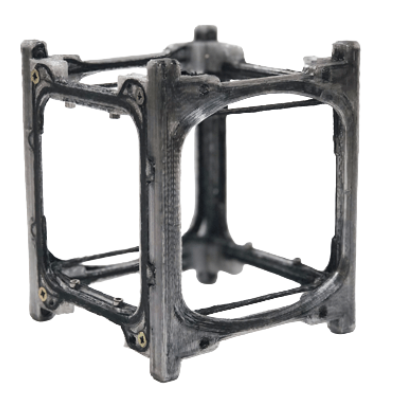
Machinery Components & Housing Replacements
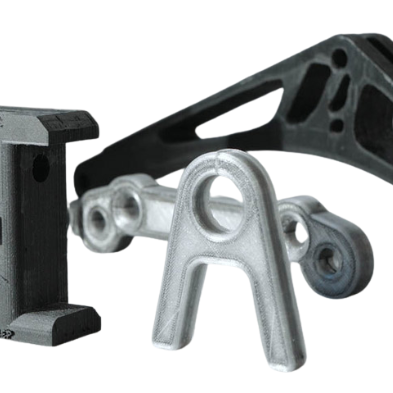
Production-Grade Parts for Harsh Environments

Continuous Carbon Fiber 3D Printers We Offer

Materials for Continuous Carbon Fiber 3D Printers

Let's connect

Contact Form Image

Frequently Asked Questions

CCF 3D printing combines thermoplastic extrusion with in-situ reinforcement using continuous carbon fiber, resulting in lightweight parts with metal-like strength.
Carbon-filled filaments contain chopped fibers for improved stiffness, while CCF uses continuous strands for structural reinforcement, offering far superior strength-to-weight ratios.
Typically, thermoplastics like PETG, PA, or PC are used as matrix materials, reinforced with continuous fibers such as carbon, basalt, or aramid depending on application needs.
Layer heights range from 100–200 microns, and the continuous fiber deposition width is typically between 0.3–0.5 mm, depending on nozzle configuration.
Yes, CCF parts can replace certain aluminum or steel components where high strength and low weight are required—such as brackets, tooling, and robotic end effectors.
Design software like Aura or Eiger allows users to define fiber placement manually or automatically based on load paths, improving mechanical performance and material usage.
CCF parts usually require minimal post-processing. Basic support removal or surface sanding may be done for improved aesthetics or dimensional accuracy.
Depending on fiber orientation, CCF parts can achieve tensile strengths over 700 MPa and stiffness comparable to aluminum, with only a fraction of the weight.
Some systems like Anisoprint allow open-material usage for matrix polymers, while continuous fiber compatibility may depend on printer-specific configurations.
CCF printers generally require a standard single-phase power supply, proper ventilation, and dry material storage for filaments and fibers to maintain print quality.
WhatsApp