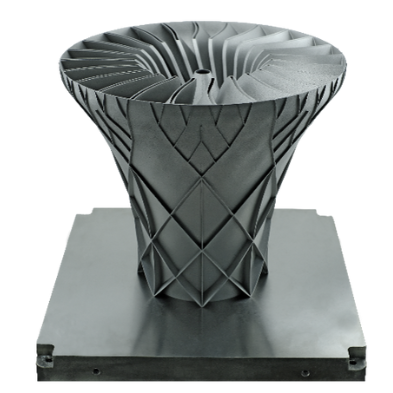
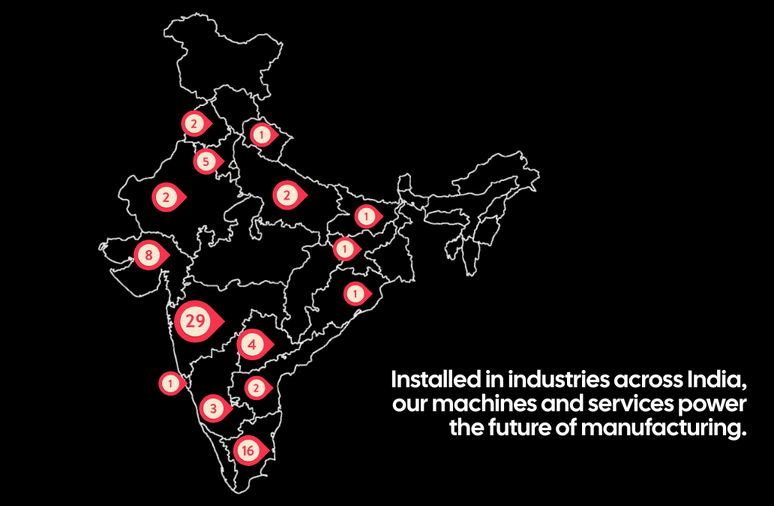
Metal 3D Printers (DMLS / SLM / LBPF)

Precision Laser-Based Metal 3D Printing

Explore Sahas's range of advanced metal 3D printers trusted by manufacturers, R&D teams, and engineers across industries.

Let's Discuss
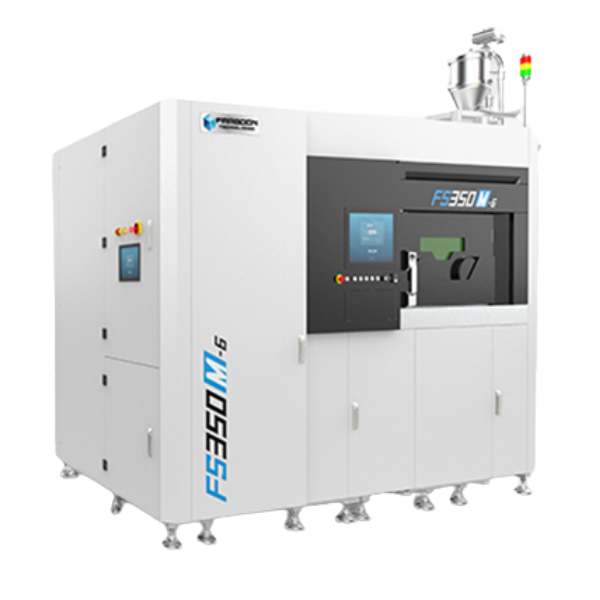
Our DMLS Machine Setup Process

A step-by-step process to help you choose, test, and implement the right DMLS 3D printer.

Step 1

Requirement Analysis

Understand the customer’s application, materials, part size, precision, volume needs, and budget.

Step 2

Machine and Material Selection

Identify the best-fit machine models and compatible materials based on application, performance needs, and budget.

Step 3

Sample Benchmarking (If Needed)

Print sample parts to validate print quality, dimensional accuracy, and material performance for critical applications.

Step 4

Proposal and 3rd Party Financing Options

Share a commercial proposal and assist in exploring leasing, EMI, or institutional finance options to ease the investment.

Step 5

Installation, Training and Support

Manage machine installation, deliver hands-on operator training, and ensure long-term support via AMC or technical service.
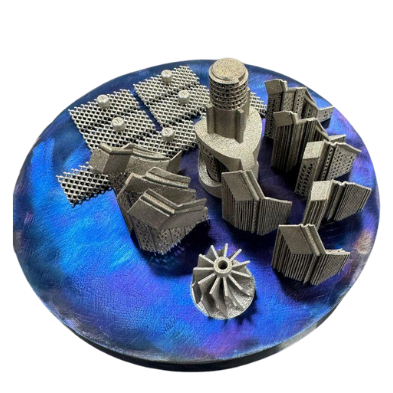
Top Applications of Metal 3D Printers

Use cases of metal 3D printing across aerospace, automotive, medical, and more.

Functional Prototypes

Aerospace Components
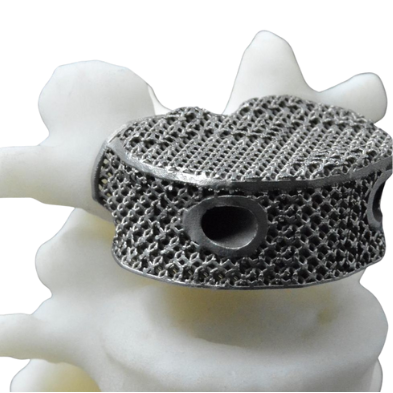
Medical Implants & Instruments
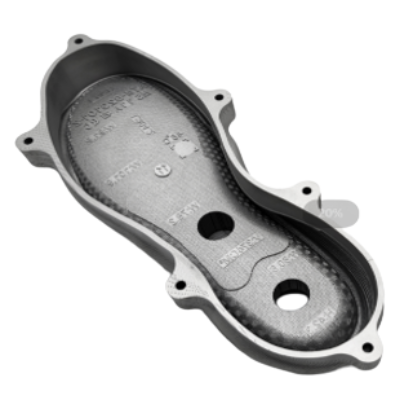
Tooling & Moulds
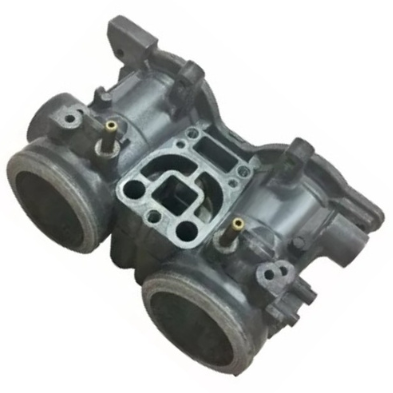
Automotive Components
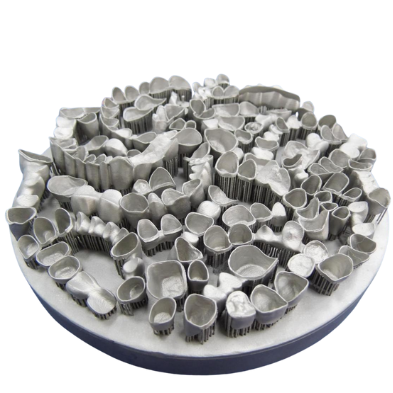
Dental Restorations
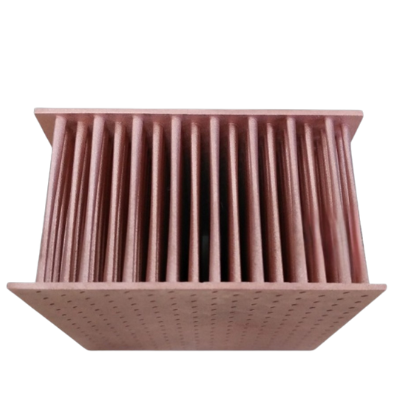
Heat Exchangers
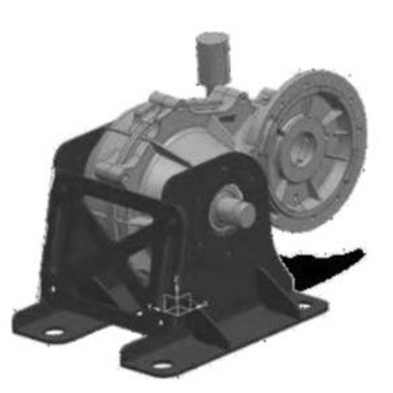
Customised Industrial Parts

Metal 3D Printers (DMLS / LBPF) We Offer

Materials for Metal (DMLS / LBPF) 3D Printers

Let's connect

Contact Form Image

Frequently Asked Questions

DMLS/LPBF uses a high-powered laser to selectively melt and fuse layers of metal powder to create fully dense, complex parts directly from a 3D CAD model.
Common materials include stainless steel, aluminum, titanium, Inconel, cobalt-chrome, maraging steel, and tool steels—selected based on application.
Layer thickness ranges from 20 to 60 microns, depending on material, machine settings, and desired surface finish or build speed.
DMLS can achieve tolerances of ±0.1-0.2 mm, though tight tolerances may require post-machining for critical surfaces or assemblies.
Typical post-processing includes support removal, heat treatment (stress relief), shot blasting, CNC machining, polishing, and surface treatments depending on end-use.
Inert gases such as argon or nitrogen are used to maintain a controlled environment, preventing oxidation and ensuring consistent metallurgical properties.
Parts printed using DMLS/LPBF are near fully dense (up to 99.9%) and can match or exceed the mechanical properties of traditionally machined or cast components.
Yes, but overhangs below 45° usually require support structures. Complex internal channels may require build orientation and support removal planning.
Orientation impacts strength, surface quality, support requirement, and build time. Proper orientation helps optimize mechanical properties and reduce post-processing.
Requirements include 3-phase power, inert gas supply (argon/nitrogen), a powder handling system, climate-controlled space, and safety equipment for metal powder handling.
WhatsApp