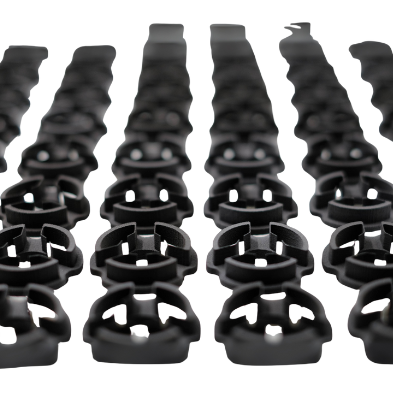
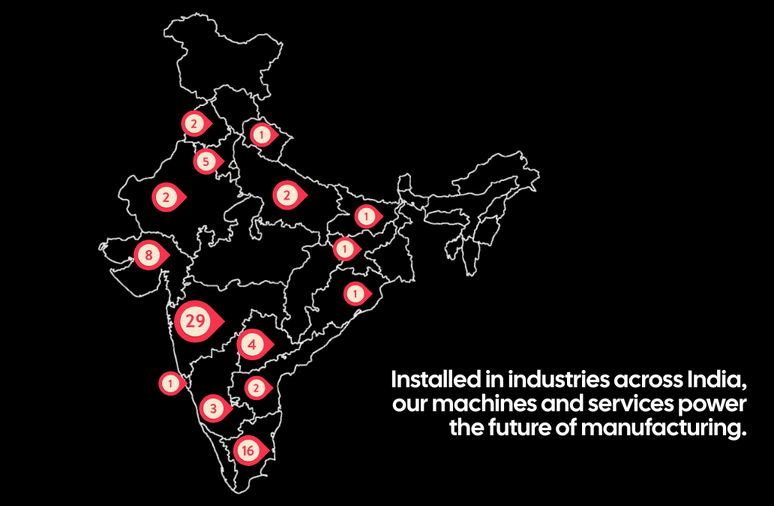
SLS 3D Printing Machines

High-Strength and Functional Nylon Parts

SLS uses a laser to fuse nylon powder layer by layer, producing strong, complex parts without the need for support structures—ideal for both prototyping robust components and end-use applications.

Let's Discuss
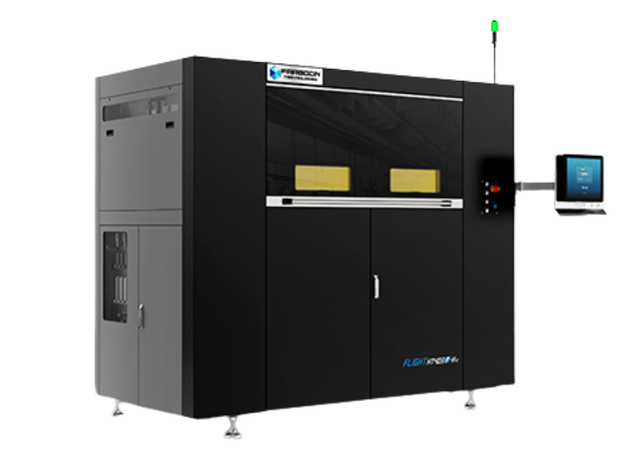
Our SLS Machine Setup Process

A step-by-step process to help you choose, test, and implement the right SLS 3D printer.

Step 1

Requirement Analysis

Understand the customer’s application, materials, part size, precision, volume needs, and budget.

Step 2

Machine and Material Selection

Identify the best-fit machine models and compatible materials based on application, performance needs, and budget.

Step 3

Sample Benchmarking (If Needed)

Print sample parts to validate print quality, dimensional accuracy, and material performance for critical applications.

Step 4

Proposal and 3rd Party Financing Options

Share a commercial proposal and assist in exploring leasing, EMI, or institutional finance options to ease the investment.

Step 5

Installation, Training and Support

Manage machine installation, deliver hands-on operator training, and ensure long-term support via AMC or technical service.
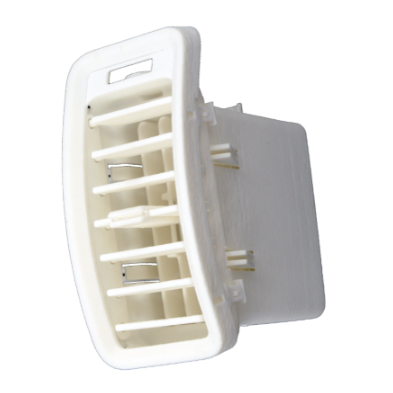
Top Applications of SLS 3D Printers

Explore how SLS enables strong, functional parts: from prototypes to batch production.

Functional Prototypes

Batch Production of End-Use Parts
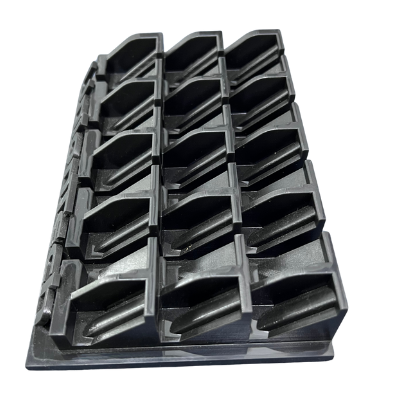
Custom Jigs & Fixtures
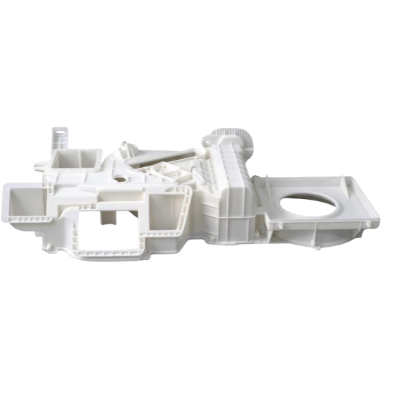
Automotive Housings & Ducts
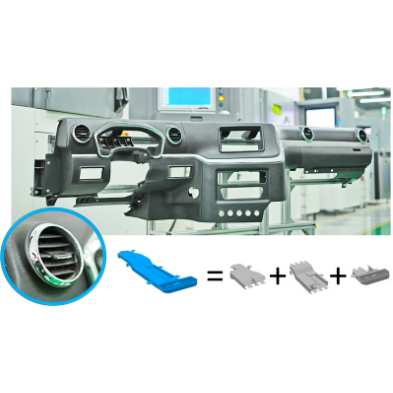
Snap-Fit and Interlocking Assemblies
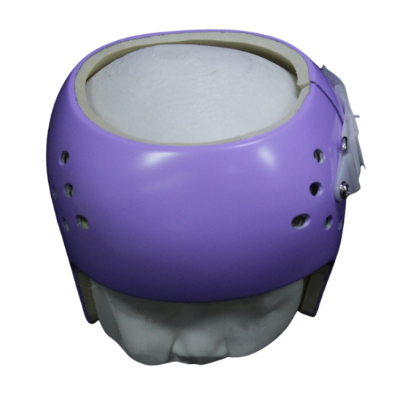
Medical & Orthopaedic Devices
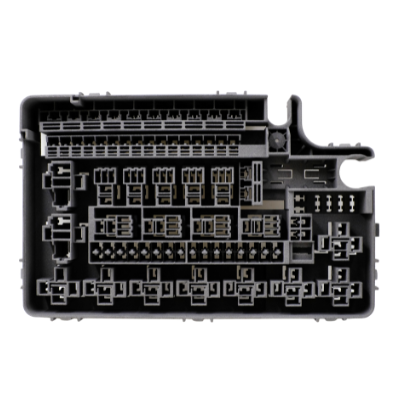
Electronics Enclosures
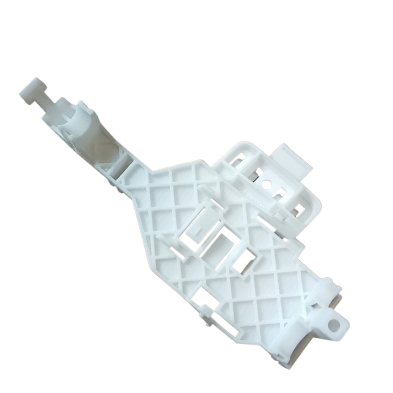
Spare Parts & Legacy Components

SLS 3D Printers We Offer

Materials for SLS 3D Printers

Let's connect

Contact Form Image

Frequently Asked Questions

Common SLS materials include PA11, PA12, PA6, glass-filled nylon, carbon-filled nylon, and TPU. Material selection depends on required strength, flexibility, and temperature resistance.
SLS printers typically operate with layer heights between 60–120 microns, balancing surface finish with build speed.
Minimum wall thickness is usually 0.7–1.0 mm. Smallest detail resolution can go down to 0.5 mm, depending on material and laser precision.
Typical tolerances range from ±0.2 mm or ±0.3% of part length. Tight tolerances may require post-machining or calibration.
The recoater spreads powder evenly across each layer. A stable recoating system ensures layer consistency and prevents build failures.
Unused powder is recyclable up to 70–80% depending on the material and application. Proper powder sieving and mixing are essential for consistent results.
Most industrial SLS machines use nitrogen or air-controlled environments to improve powder stability and print quality, especially with sensitive materials.
Orientation influences strength, surface finish, and packing density. Optimizing orientation reduces warping and improves build efficiency.
SLS workflows involve slicing software, nesting tools, and build simulation software to optimize part packing, orientation, and heat distribution.
Industrial SLS printers typically require 3-phase power, proper ventilation, compressed air, and powder handling systems. Room temperature control is also recommended.
WhatsApp