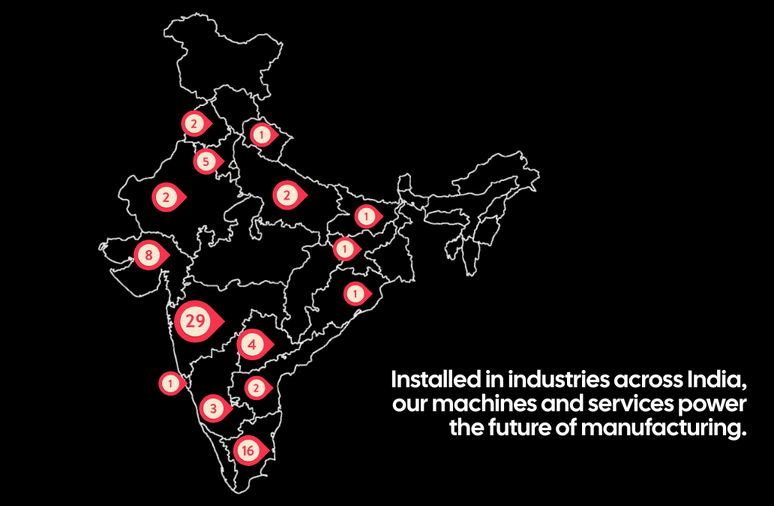
Industrial FDM & Composite 3D Printers for Tough, Functional Parts
From functional prototyping to end-use tooling, our range of Fused Deposition Modelling (FDM) and composite 3D printers help you produce strong, cost-effective parts, fast. Print with carbon fibre, nylon, ABS, and other engineering-grade thermoplastics.
Let's Discuss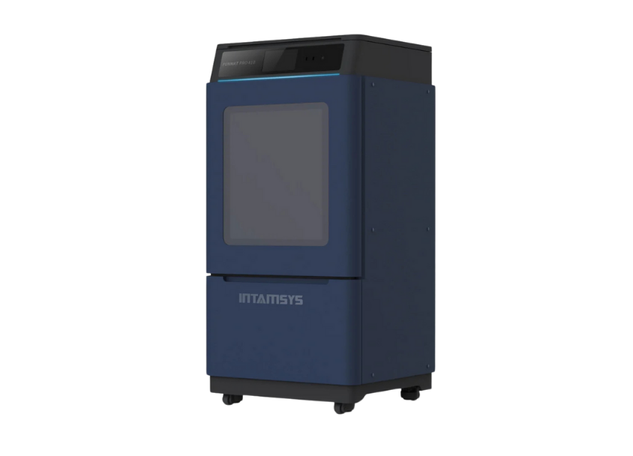
A step-by-step process to help you choose, test, and implement the right FDM & Composite 3D printer.
Understand the customer’s application, materials, part size, precision, volume needs, and budget.
Identify the best-fit machine models and compatible materials based on application, performance needs, and budget.
Print sample parts to validate print quality, dimensional accuracy, and material performance for critical applications.
Share a commercial proposal and assist in exploring leasing, EMI, or institutional finance options to ease the investment.
Manage machine installation, deliver hands-on operator training, and ensure long-term support via AMC or technical service.
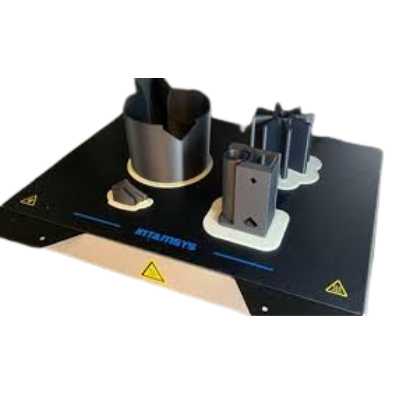
Jigs, Fixtures & Manufacturing Aids
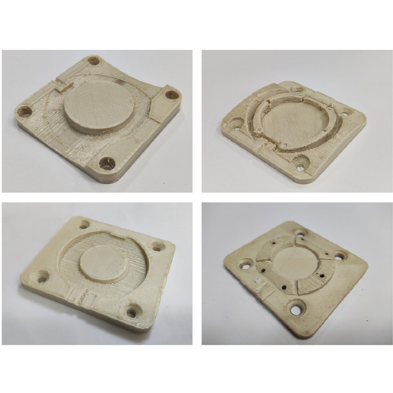
Tooling Inserts and Moulds
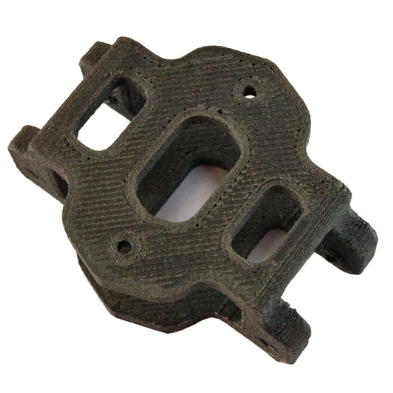
Automotive Brackets & Mounts
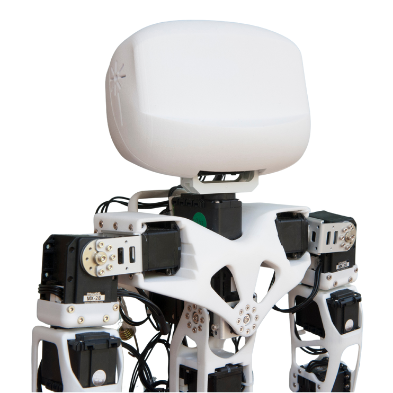
Robotics and End-of-Arm Tooling
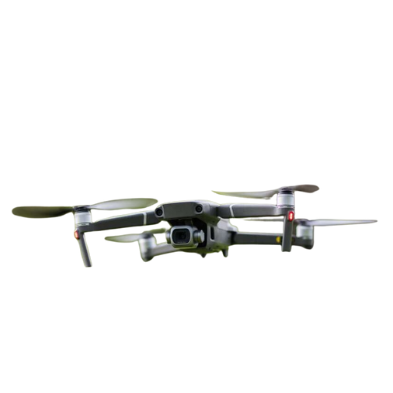
Functional Prototypes
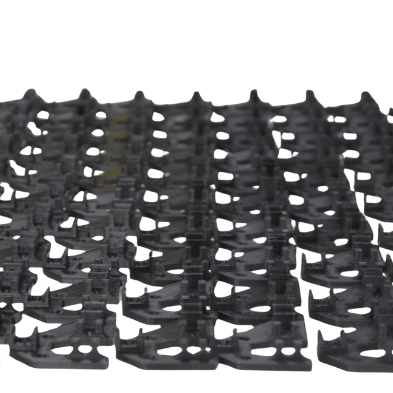
Low-Volume Production Parts
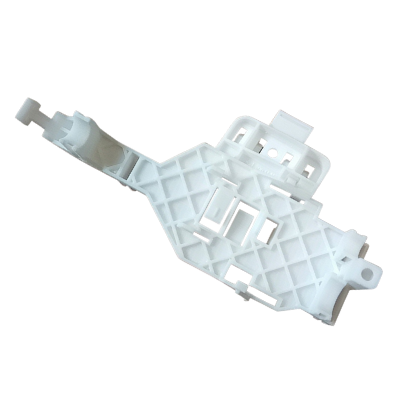
Replacement or Legacy Machine Parts
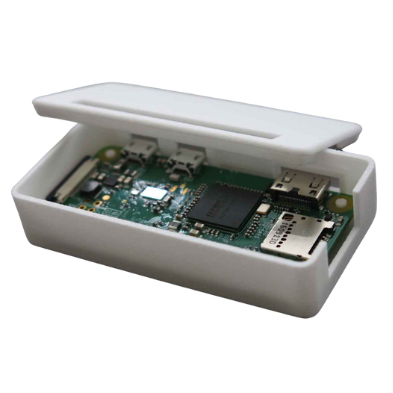
Housings and Casings for Electronics
Let's connect