Architectural 3D Printing Solutions

Precision Models That Reflect Your Architectural Brilliance

We blend advanced prototyping with artistic precision — enabling architects and developers to present, iterate, and perfect their ideas effortlessly.

Let's Discuss
Trusted by 1,500+ leading companies for additive manufacturing.

We help multiple sectors identify and implement the right 3D printing solutions: cost optimisation, faster timelines, and long-term reliability.


Company Logo 26
Company Logo 2
Company Logo 3
Company Logo 4
Company Logo 5
Company Logo 6
Company Logo 7
Company Logo 8
Company Logo 9
Company Logo 10
Company Logo 11
Company Logo 12
Company Logo 13
Company Logo 14
Company Logo 15
Company Logo 16
Company Logo 17
Company Logo 18
Company Logo 19
Company Logo 20
Company Logo 21
Company Logo 22
Company Logo 23
Company Logo 24
Company Logo 25
Company Logo 1
Company Logo 27
Company Logo 28
Company Logo 29
Company Logo 30
Company Logo 31

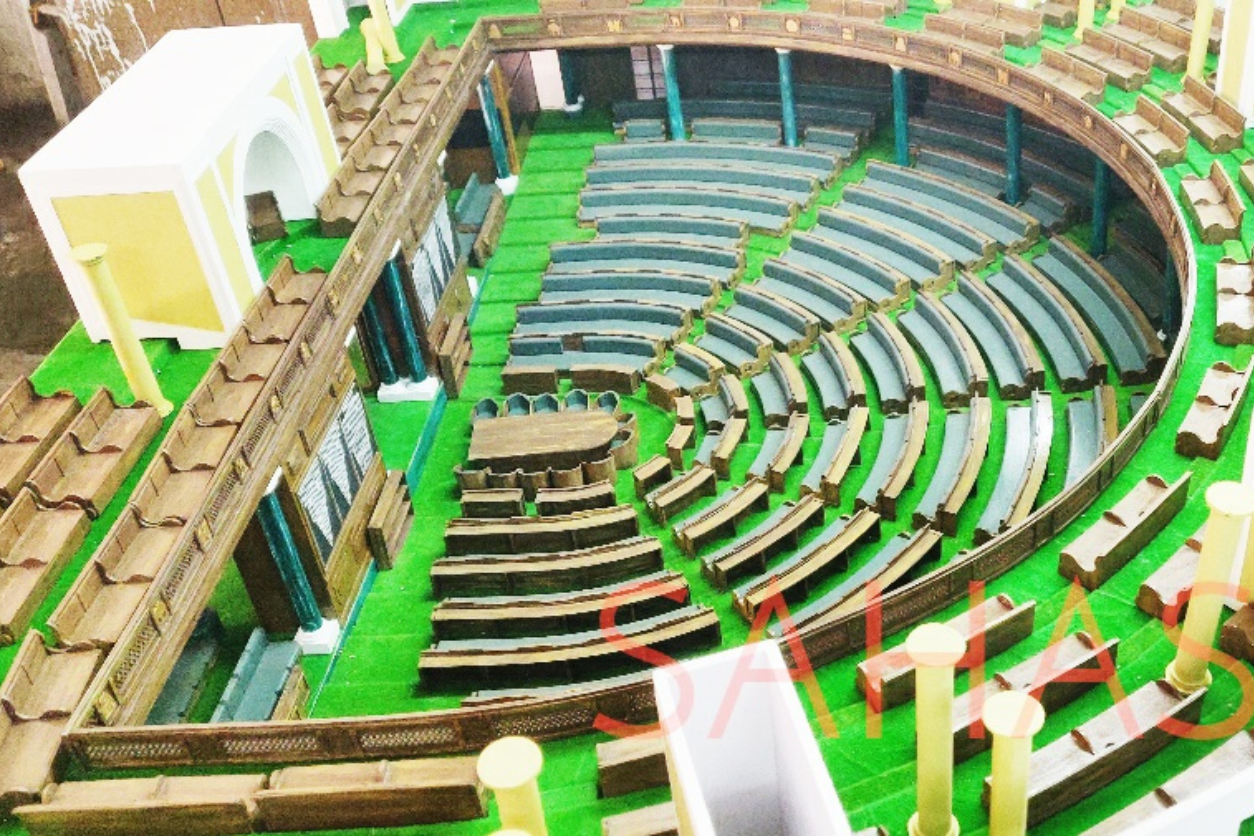
Showcase the Grandeur Before You Build It.

3D Printing Applications in the Architecture and Design Industry
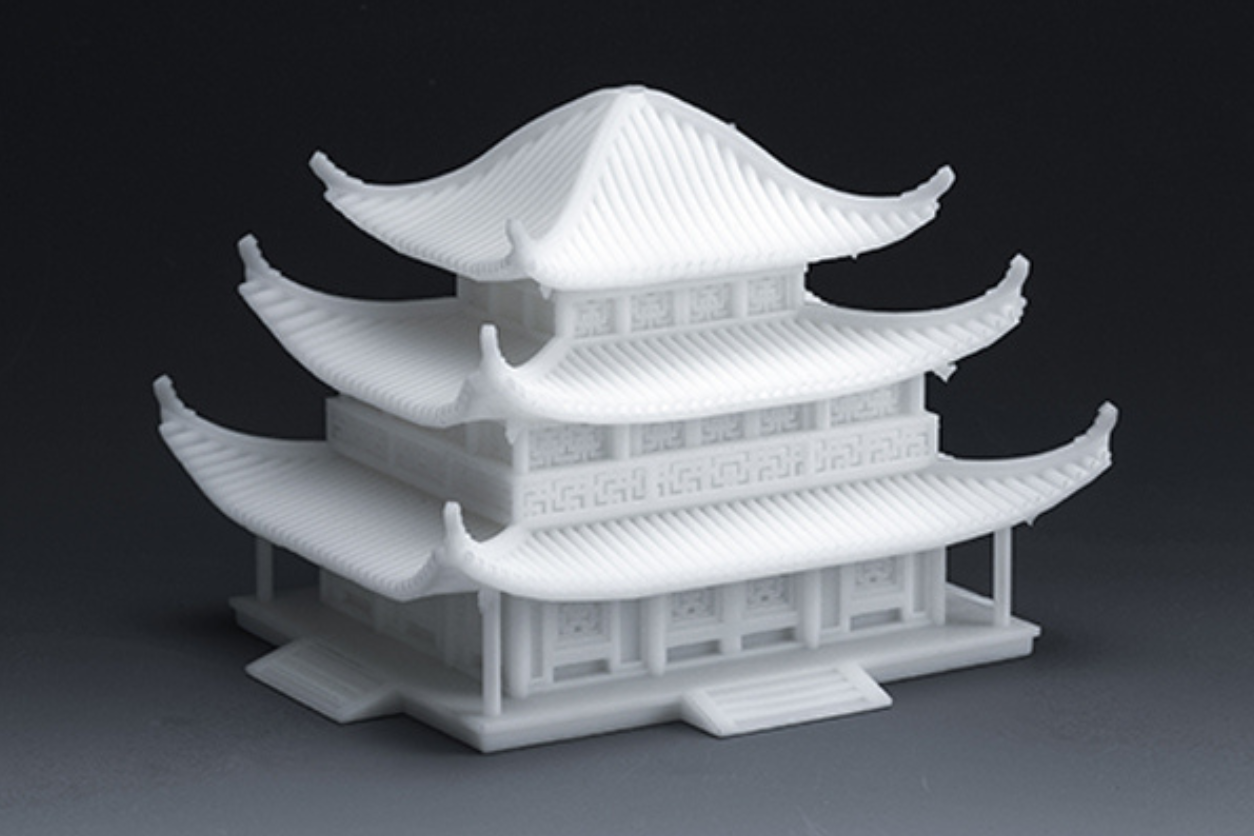
Concept Modeling

  • Mass Study Models
  • Volume & Form Models
  • Early-stage spatial explorations
  • Iterative scale refinement

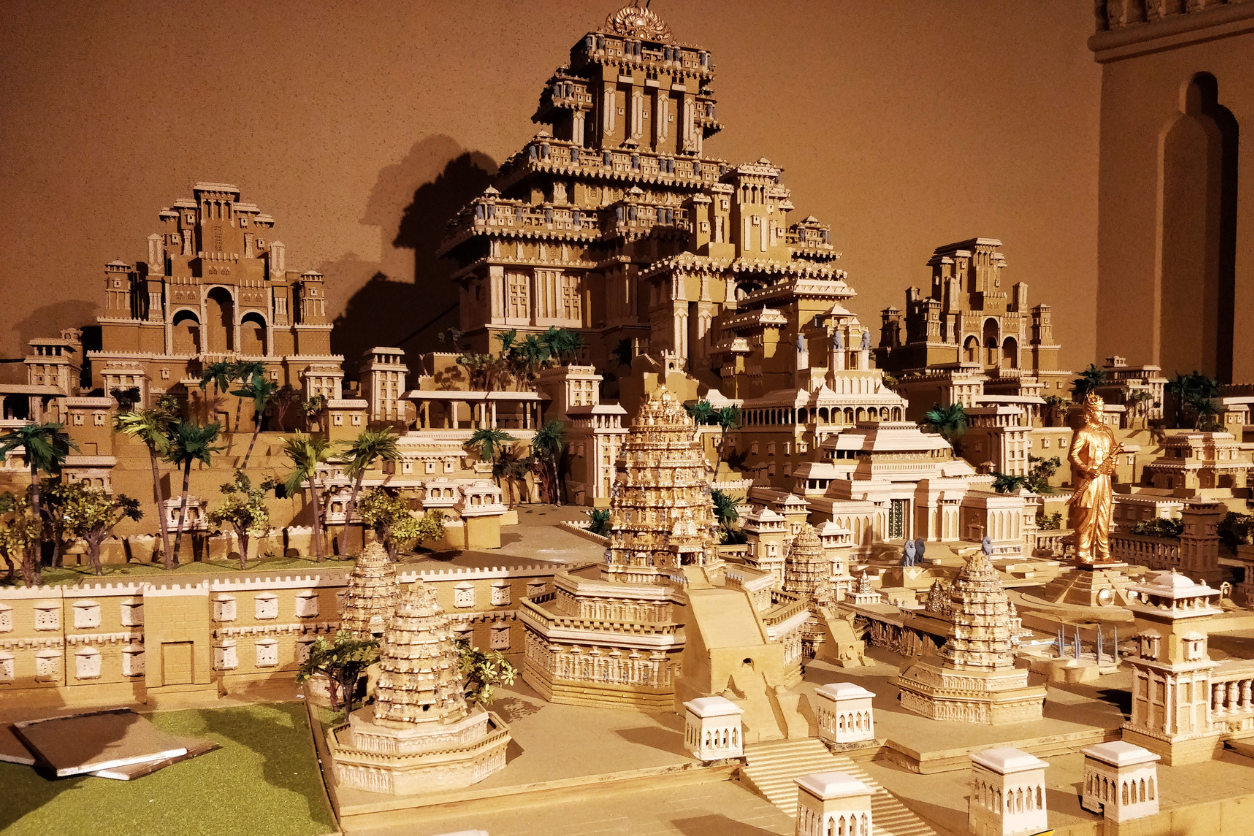
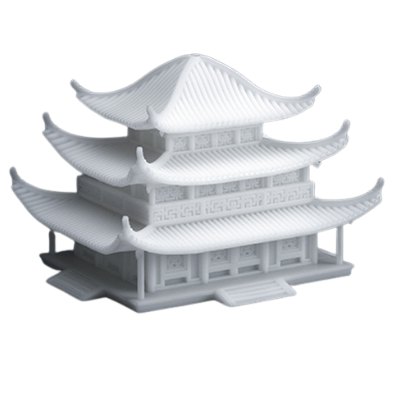
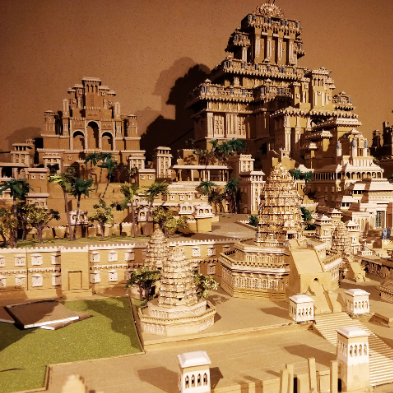
Presentation Models

  • Detailed Facade Elements
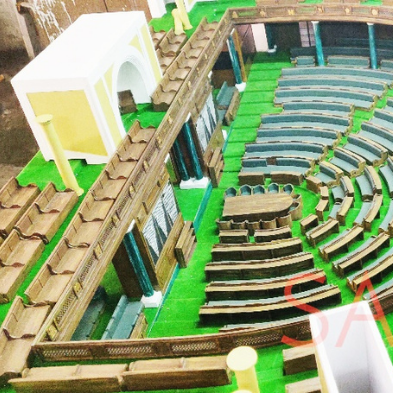
  • Interior Layout Visualization
  • Window and opening articulation
  • Contextual site integration

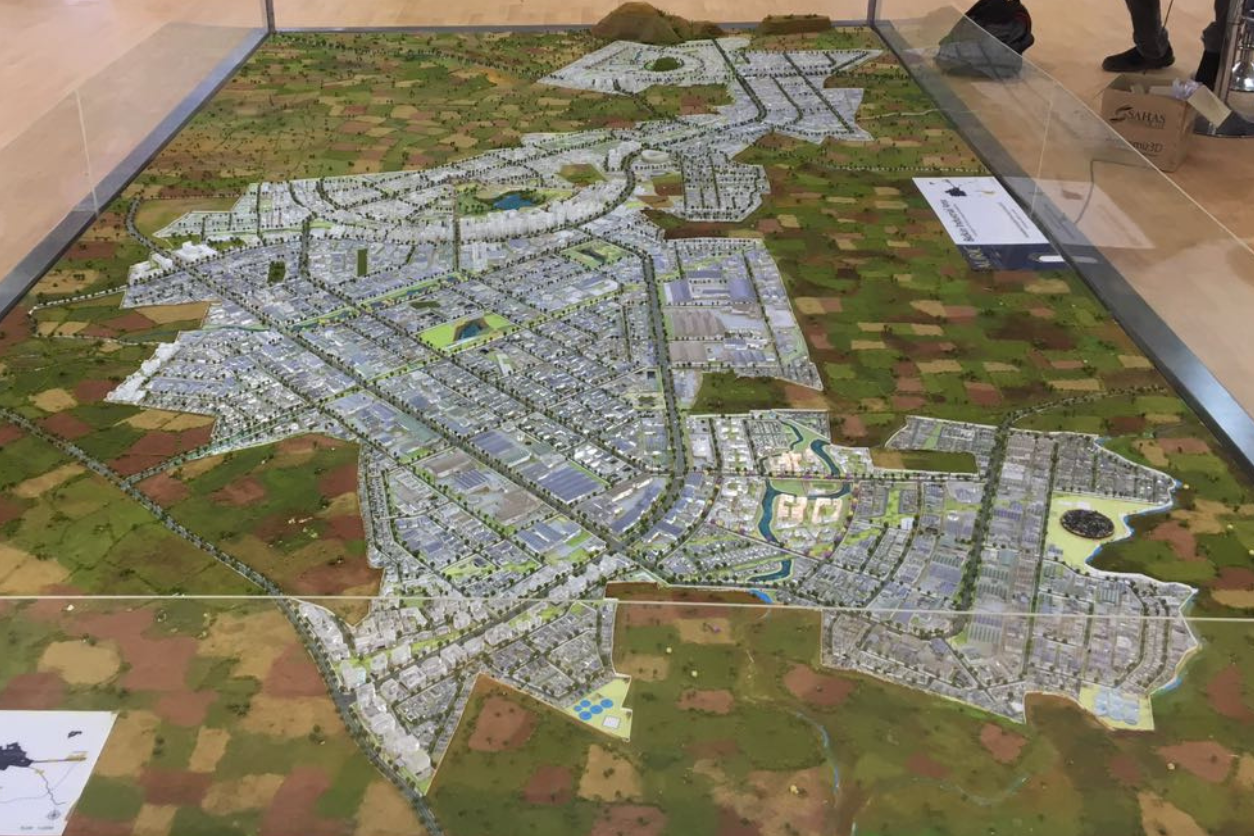
Urban Planning

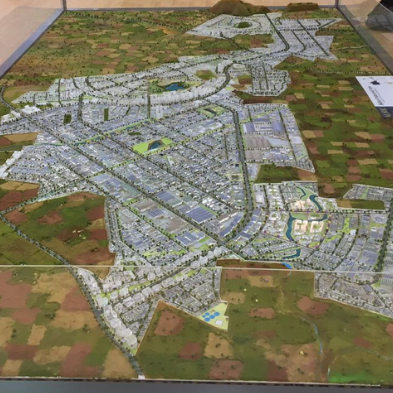
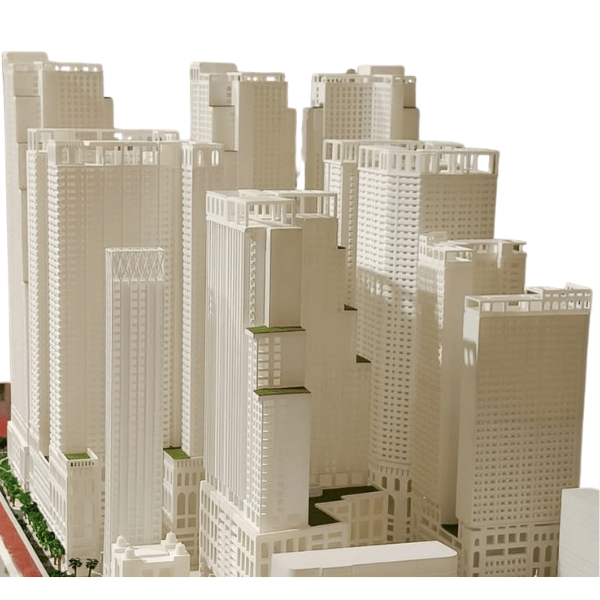
  • City Block Models
  • Transportation Network Layouts
  • District zoning layouts
  • Infrastructure overview mapping

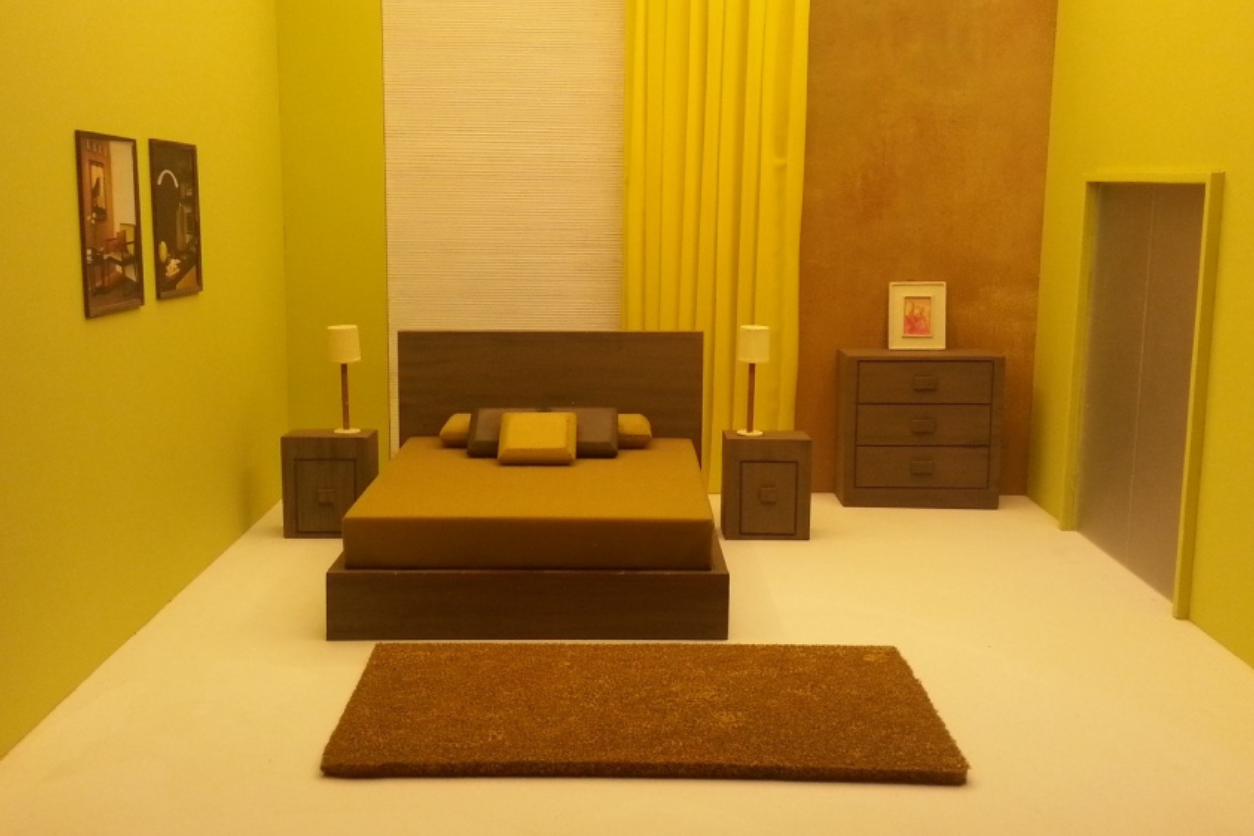
Interior & Furniture Design

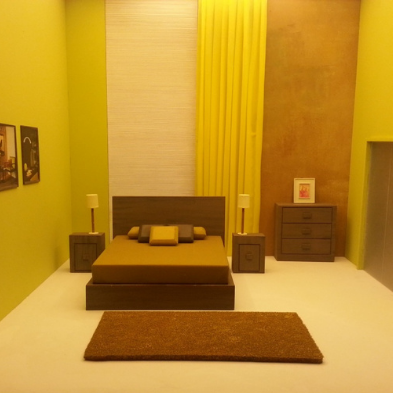
  • Custom Furniture Pieces
  • Scaled Interior Fixtures
  • Spatial furniture mockups
  • Ergonomic form studies

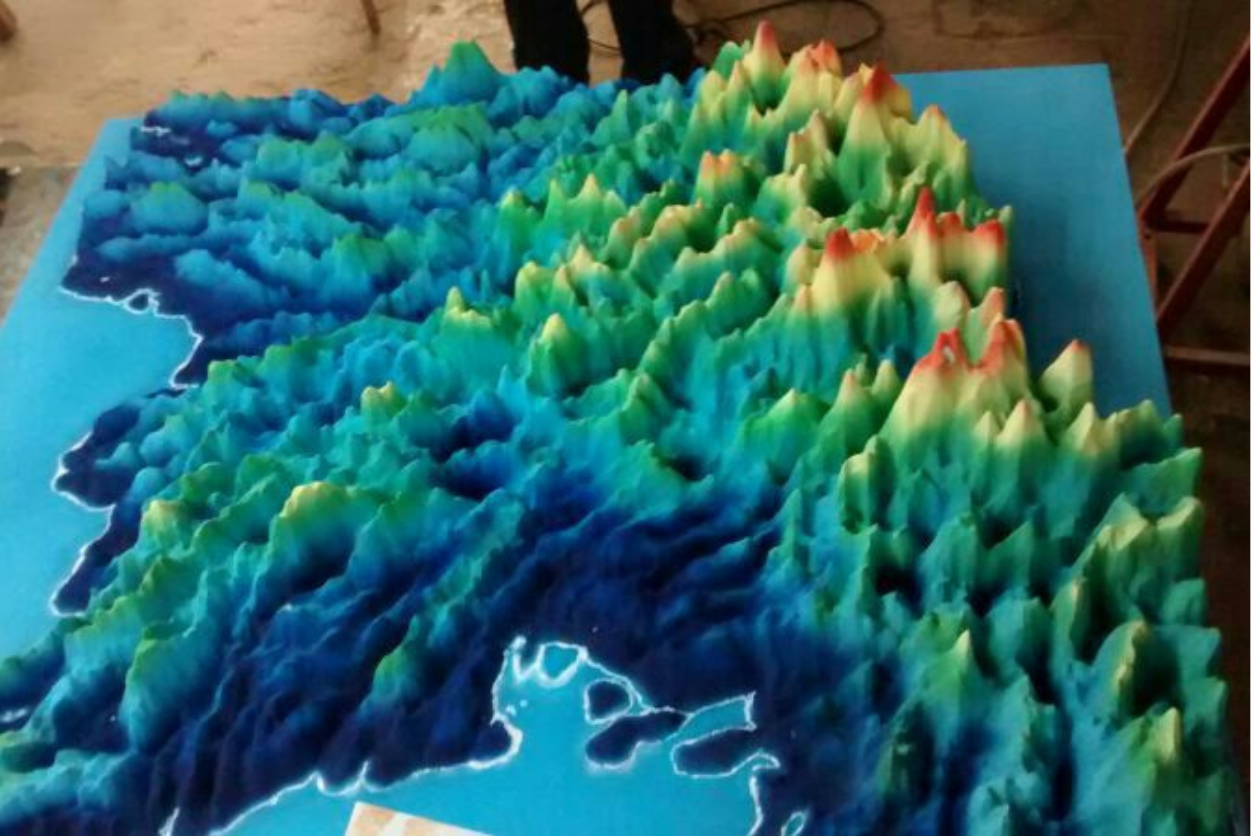
Topography & Landscaping

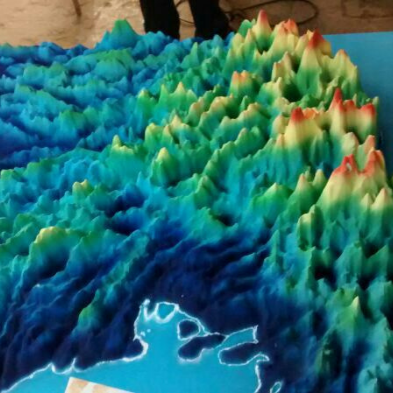
  • Terrain Representation Models
  • Land Use Distribution Maps
  • Watershed and gradient simulation
  • Green space and park layouts

Custom Structures

  • Parametric Wall Designs
  • Facade Shading Structures
  • Modular pavilion components
  • Experimental form prototypes

Our Case Studies

Explore the solutions we've delivered.

Let's connect
Contact Form Image

Frequently Asked Questions

3D printing allows rapid creation of scaled models to visualize architectural forms, spatial planning, and design aesthetics early in the concept phase.
SLA and PolyJet offer high-resolution, multi-material printing ideal for presentation models that require smooth finishes and fine detail for client approvals.
Large-format FDM and SLS printers are used to create city blocks, building clusters, and infrastructure models to aid in urban planning and zoning proposals.
Yes, interior designers and furniture makers use 3D printing for scaled-down mockups, ergonomic testing, and producing complex geometries before full-scale fabrication.
3D printing brings terrain data to life by creating physical topographic models that help visualize slope, elevation, and environmental integration in real-world context.
Custom structures include signature façades, parametric forms, and complex roofs that are difficult to build by hand—perfectly suited for 3D printing in scaled models.
Models can be printed in scales like 1:50, 1:100, or 1:500. Large models are printed in sections and assembled to maintain accuracy and visual clarity.
Common materials include PLA, resin, nylon, and gypsum-like composites. These materials are chosen for their strength, finish, and ease of post-processing.
Yes, architectural models can be sanded, painted, and textured post-print to replicate building materials like brick, glass, and concrete for more realistic presentations.
Physical models improve communication between architects, clients, and stakeholders—helping them better understand spatial relationships, materials, and proportions.
WhatsApp