Sand & Ceramic Binder Jetting 3D Printers

Binder Jetting 3D Printers for Sand Moulds and Ceramic Precision

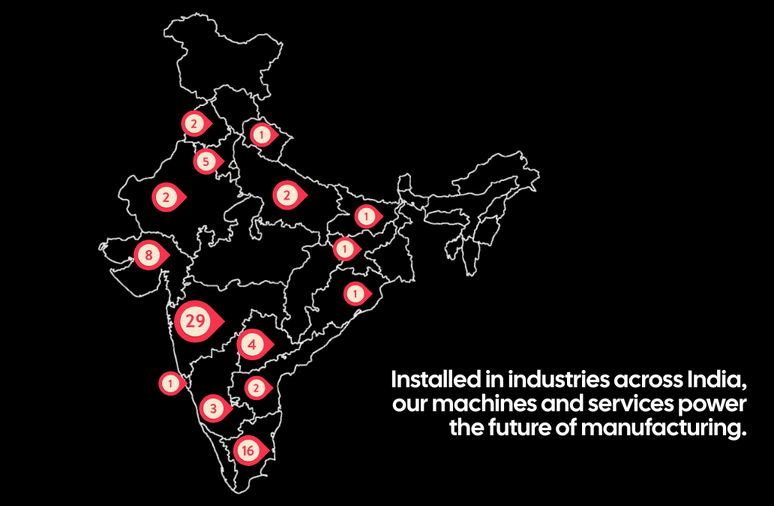
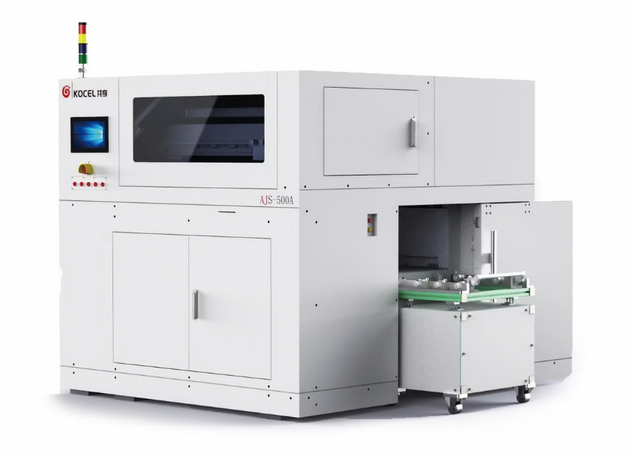
Sahas offers advanced binder jetting machines for high-speed, large-format production of sand moulds, cores, and ceramic components. Ideal for foundries, tooling, and casting industries, these printers redefine manufacturing agility and complexity.

Let's Discuss
Our Binder Jetting Machine Setup Process

A step-by-step process to help you choose, test, and implement the right Binder Jetting 3D printer.

Step 1

Requirement Analysis

Understand the customer’s application, materials, part size, precision, volume needs, and budget.

Step 2

Machine and Material Selection

Identify the best-fit machine models and compatible materials based on application, performance needs, and budget.

Step 3

Sample Benchmarking (If Needed)

Print sample parts to validate print quality, dimensional accuracy, and material performance for critical applications.

Step 4

Proposal and 3rd Party Financing Options

Share a commercial proposal and assist in exploring leasing, EMI, or institutional finance options to ease the investment.

Step 5

Installation, Training and Support

Manage machine installation, deliver hands-on operator training, and ensure long-term support via AMC or technical service.
Top Applications of Sand & Ceramic Binder Jetting

Industrial and creative applications of sand and ceramic binder jet 3D printing.

Foundry Sand Moulds & Cores for Metal Casting
Ceramic Prototypes & Components
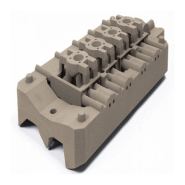
Tooling Patterns & Dies
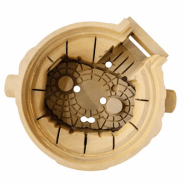
High-Temperature Furnace Components
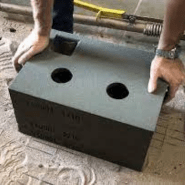
Architectural Mouldings & Forms
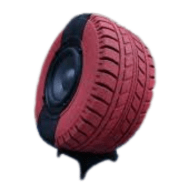
Art & Sculptural Reproduction
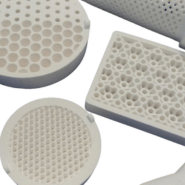
Microfluidic and Porous Ceramic Filters
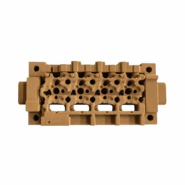
Sand Casting Patterns for Automotive & Aerospace

Binder Jetting 3D Printers for Sand and Ceramics We Offer

Materials for Binder Jetting 3D Printers

Let's connect

Contact Form Image

Frequently Asked Questions

Binder Jetting deposits a liquid binder selectively onto a powder bed (sand or ceramic), layer-by-layer, to create parts without the need for supports.
Silica sand, furan-coated sand, ceramic powders like alumina, zirconia, and silica are commonly used depending on the end-use application.
Typical resolutions are 300–800 DPI with layer heights ranging from 100–300 microns. This ensures high accuracy in mold geometry and surface definition.
Minimum wall thickness for sand molds is generally 2.5–3 mm, while ceramic parts may require 1.5–2 mm depending on part geometry and binder saturation.
Sand parts typically undergo drying, depowdering, and direct casting. Ceramic parts require debinding, sintering, and sometimes infiltration for final properties.
Green parts are fragile and intended for careful handling. Final strength is achieved post-sintering (ceramics) or after pouring metal in casting applications (sand).
Binder jetting is one of the fastest additive processes, capable of producing large sand molds or ceramic batches within hours, depending on the build size.
Yes, binder jetting excels in creating intricate internal channels, undercuts, and lattice structures—especially beneficial for castings and ceramic filters.
Powders must be stored in dry, temperature-controlled environments. Sand can be reused multiple times with minimal degradation; ceramics require tighter moisture control.
Setup requires 3-phase power, post-processing equipment (dryers, sintering ovens), dust control systems, and space for powder handling and storage.
WhatsApp