Healthcare & Medical 3D Printing Solutions

Better Planning. Safer Surgeries. Smarter Healthcare.

From diagnostics to surgery, our 3D printing solutions improve accuracy, personalisation, and patient outcomes.

Let's Discuss
Trusted by 1,500+ leading companies for additive manufacturing.

We help multiple sectors identify and implement the right 3D printing solutions: cost optimisation, faster timelines, and long-term reliability.


Company Logo 26
Company Logo 2
Company Logo 3
Company Logo 4
Company Logo 5
Company Logo 6
Company Logo 7
Company Logo 8
Company Logo 9
Company Logo 10
Company Logo 11
Company Logo 12
Company Logo 13
Company Logo 14
Company Logo 15
Company Logo 16
Company Logo 17
Company Logo 18
Company Logo 19
Company Logo 20
Company Logo 21
Company Logo 22
Company Logo 23
Company Logo 24
Company Logo 25
Company Logo 1
Company Logo 27
Company Logo 28
Company Logo 29
Company Logo 30
Company Logo 31

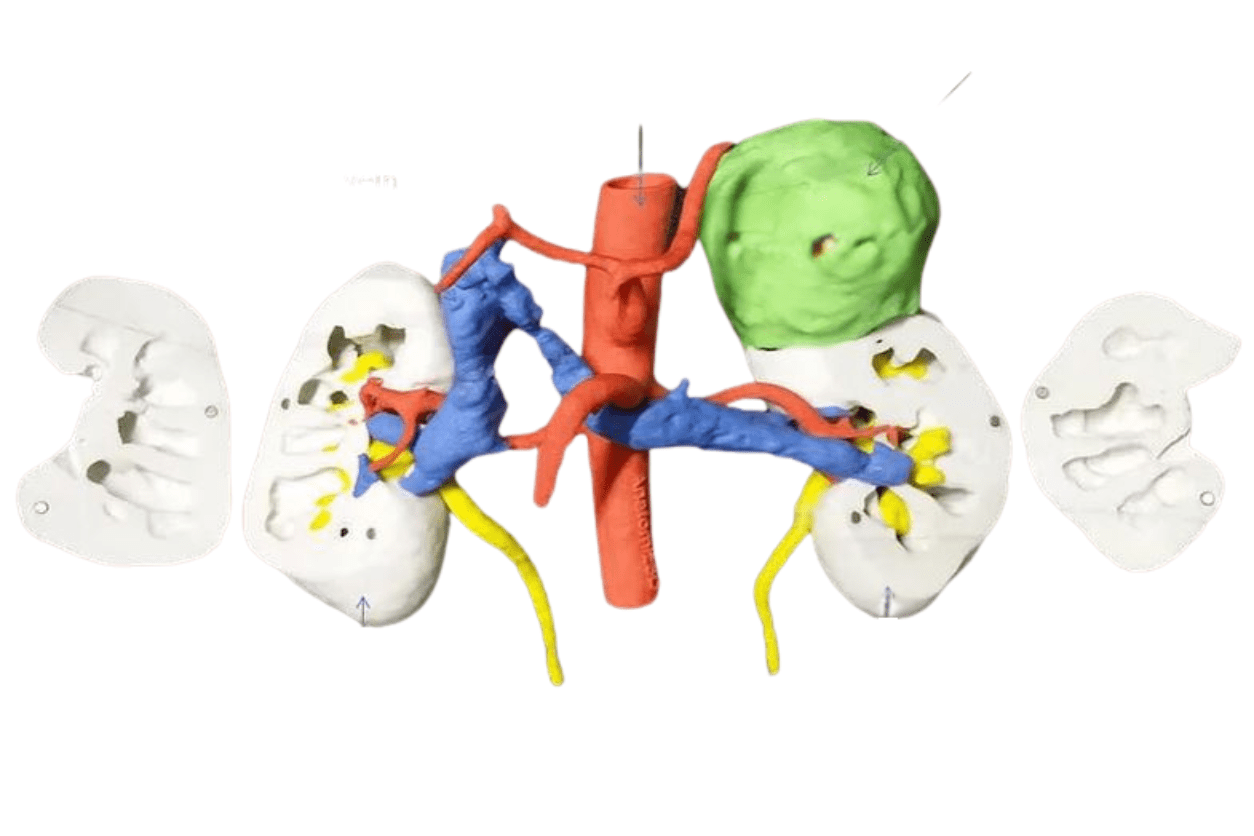
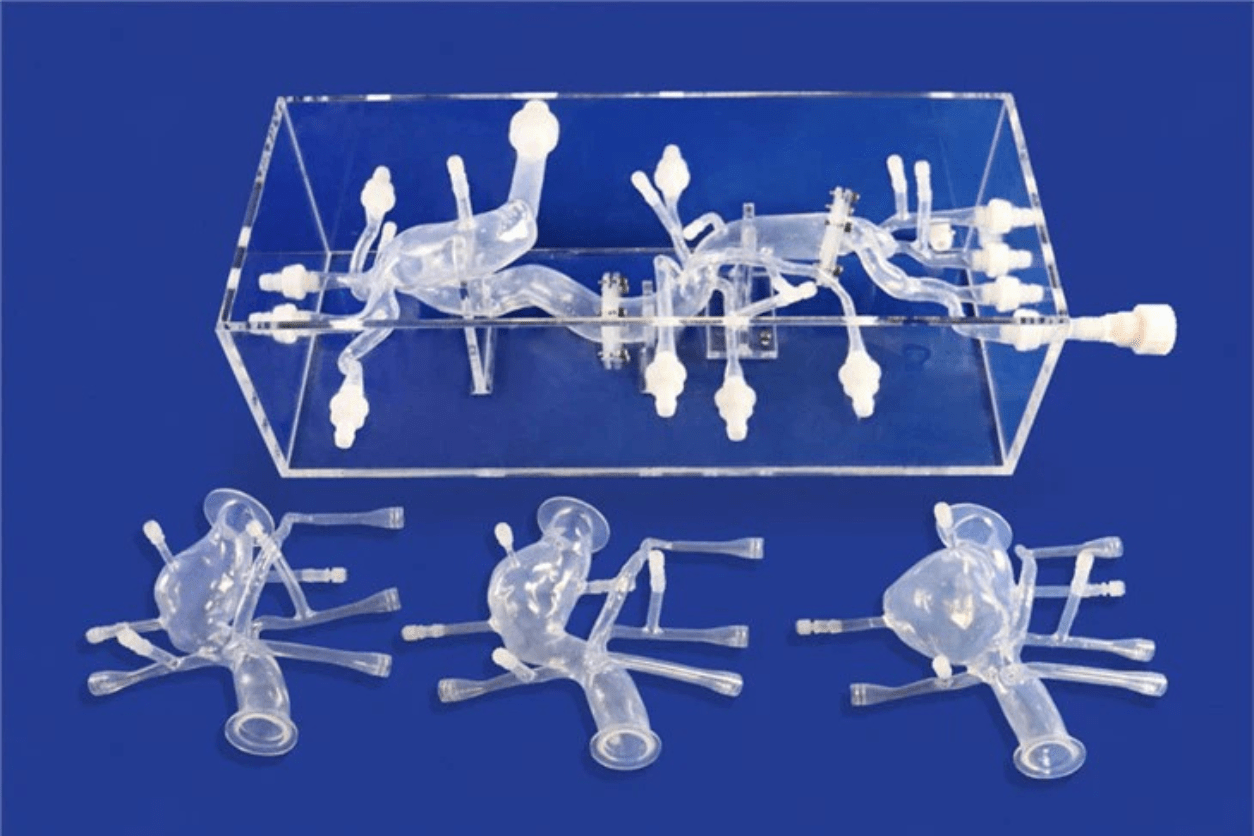
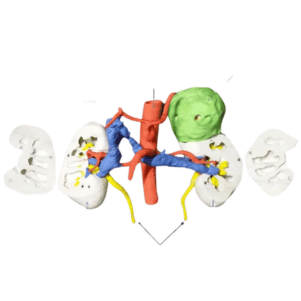
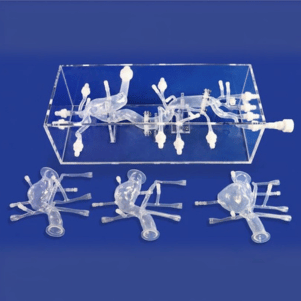
Anatomical Models

  • Organ replicas
  • Tumor visualization models
  • Pre-surgical simulation aids
  • Multi-material tissue models

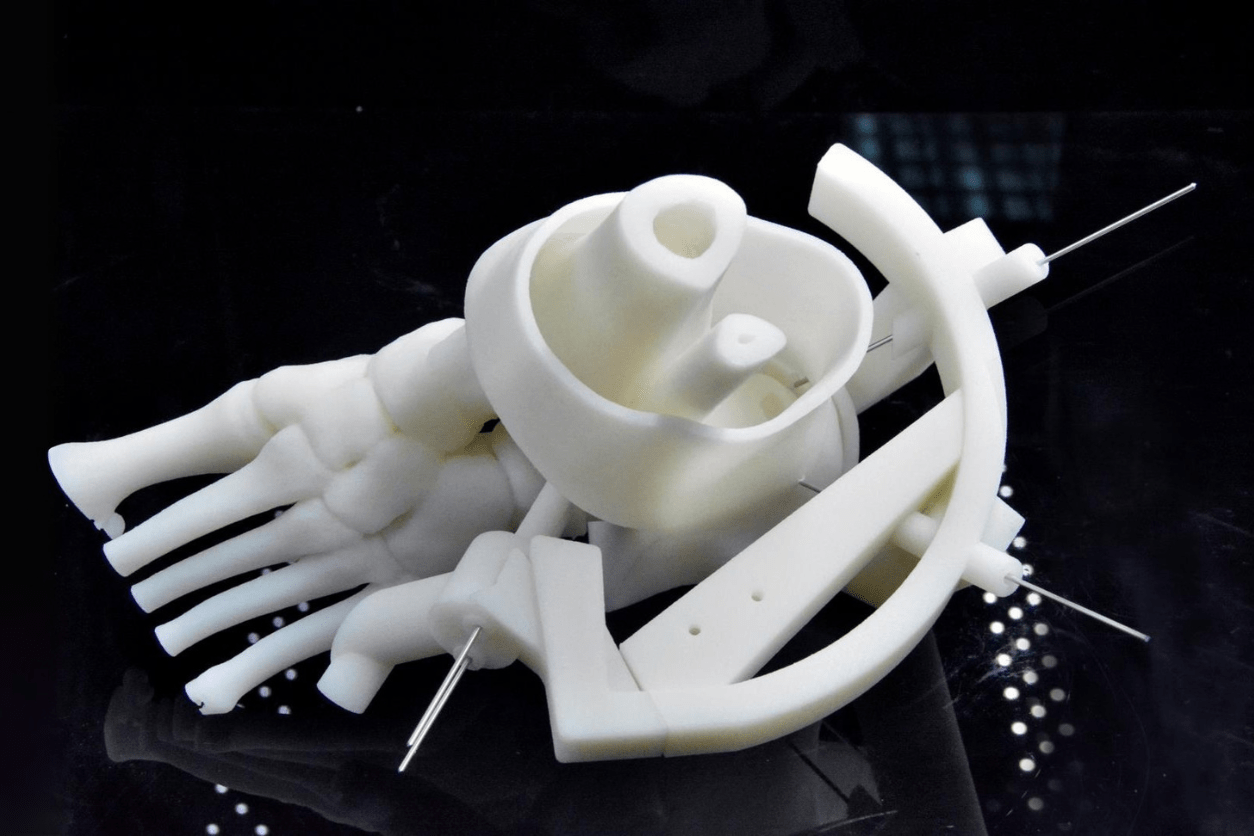
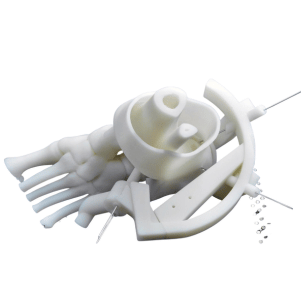
Surgical Guides

  • Cranial & dental surgical guides
  • Spinal alignment tools
  • Custom drill & cutting templates
  • Procedure-specific guides

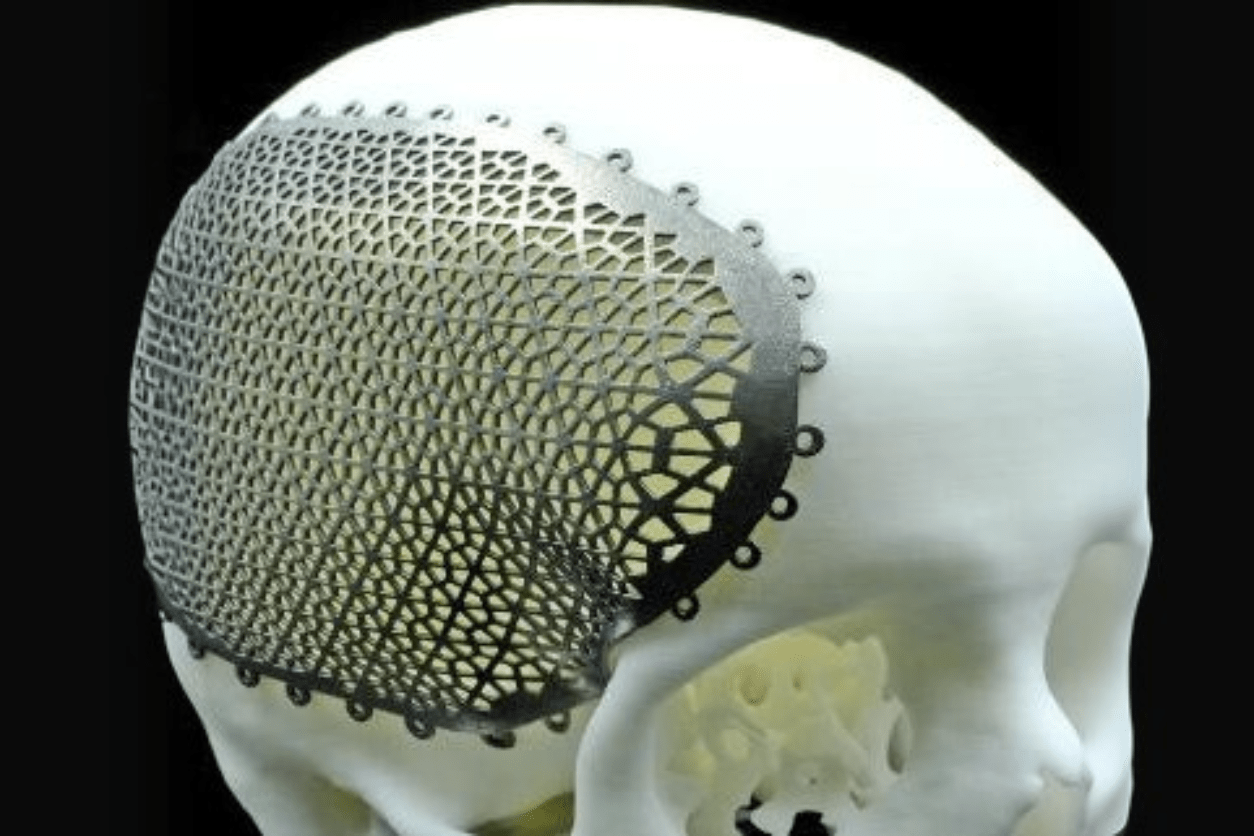
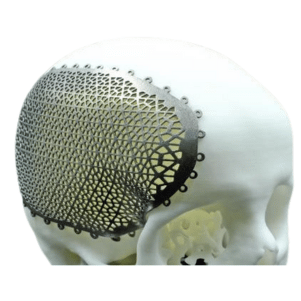
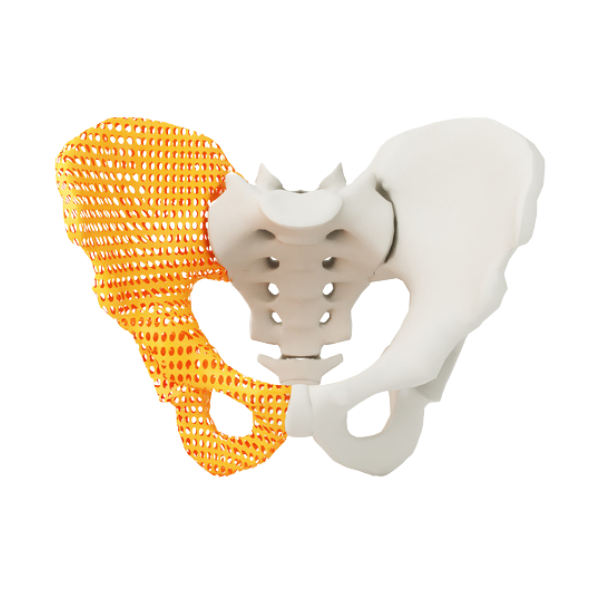
Patient-Specific Implants

  • Cranial plates
  • Maxillofacial implants
  • Custom-contoured implants
  • Bone replacement parts

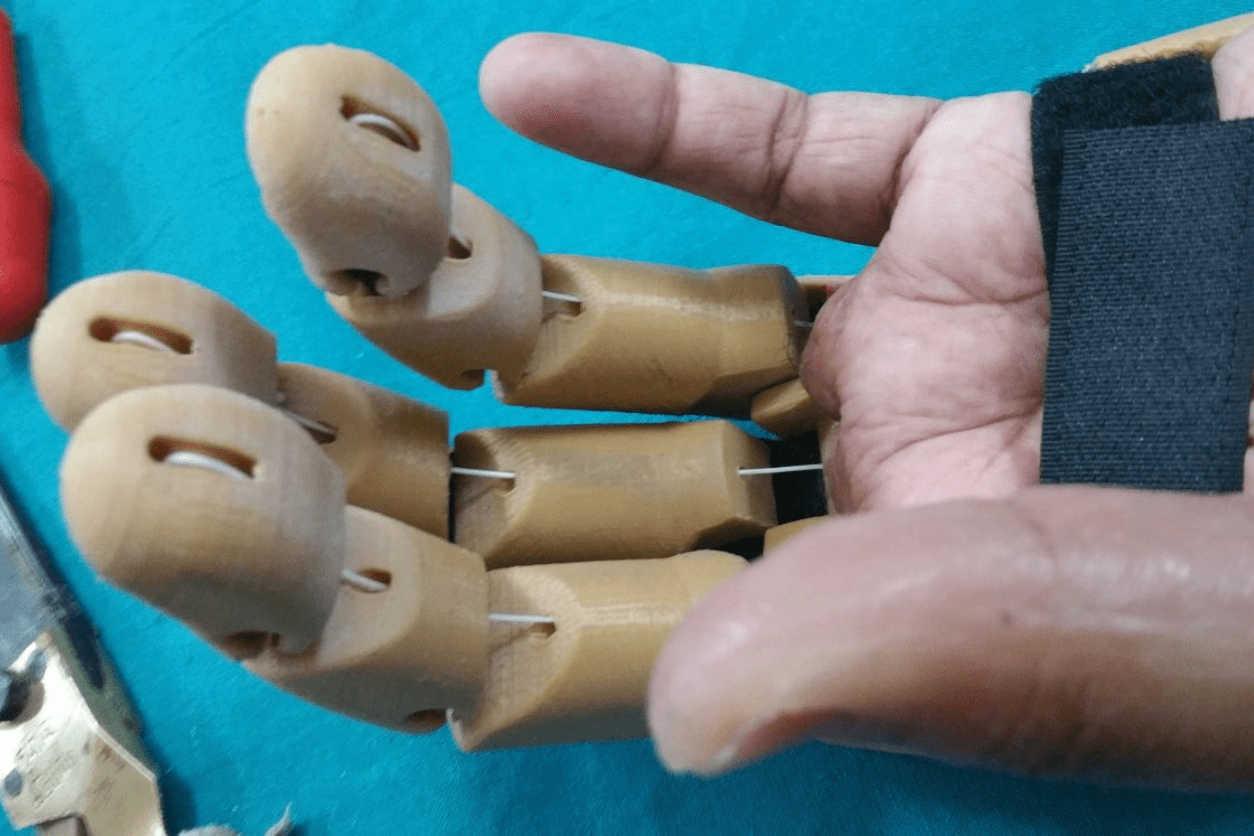
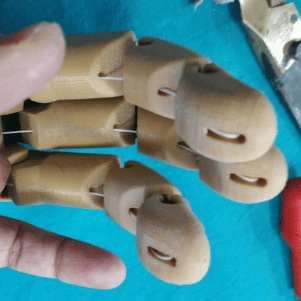
Prosthetics & Orthotics

  • Limb prosthetics
  • Orthotic braces
  • Post-surgical orthotic tools
  • Pediatric support structures

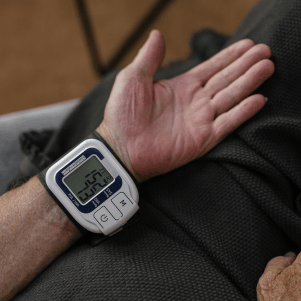
Medical Wearables

  • Smart band casings
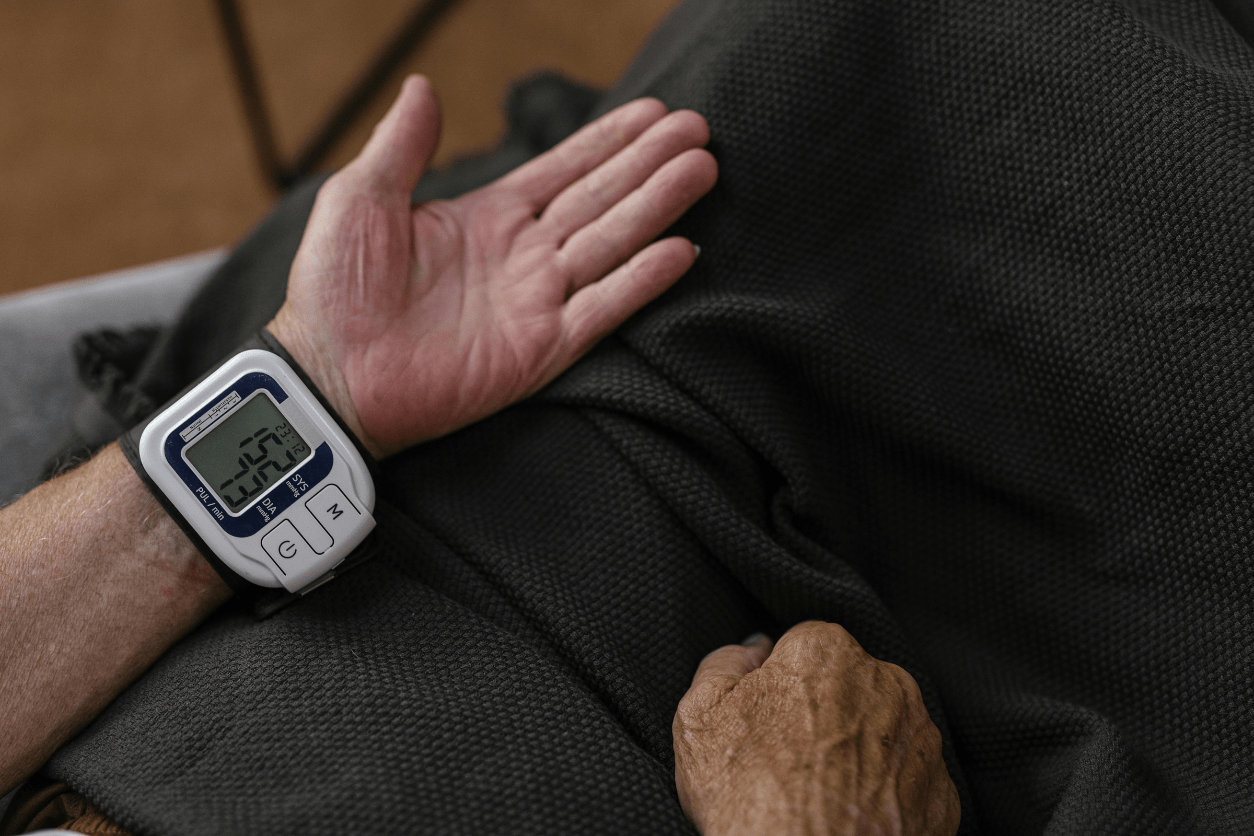
  • Personal health monitors
  • Embedded sensor integration
  • Wearables with skin-safe housing

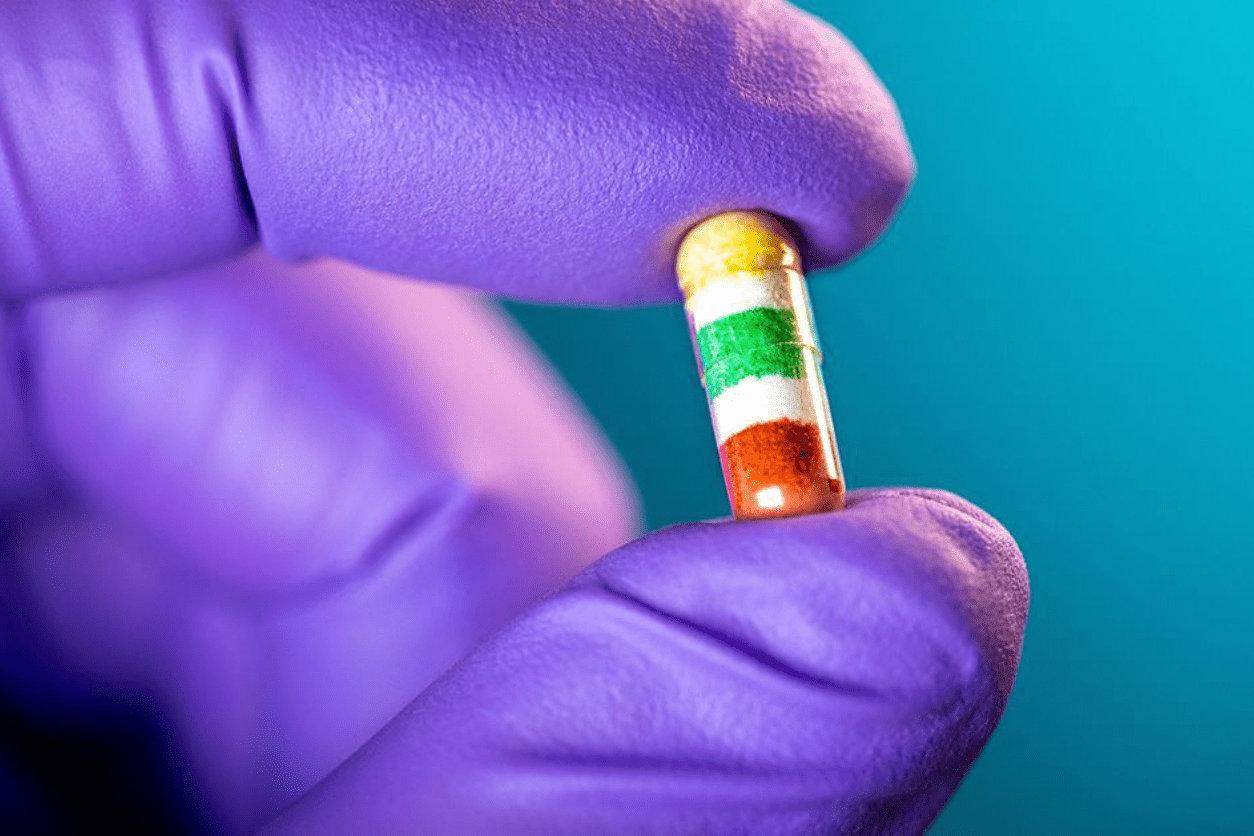
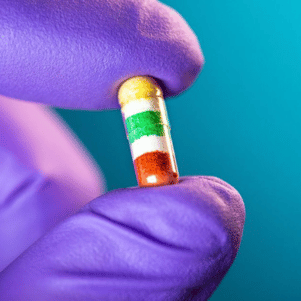
Customized Drug Delivery

  • Patient-specific drug dosage
  • Controlled drug release designs
  • Implantable drug-release capsules
  • Buccal/sublingual delivery trays

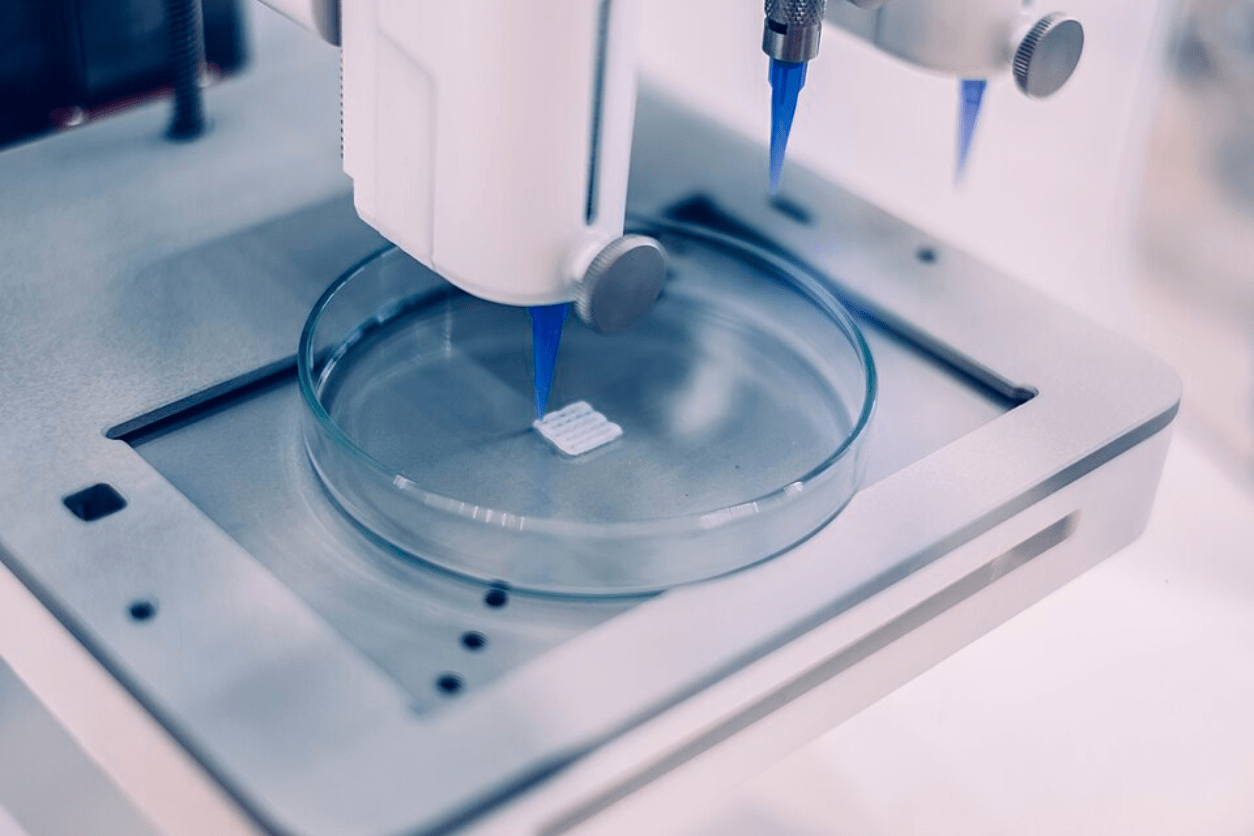
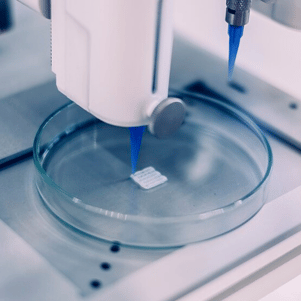
Bioprinting R&D

  • Research in regenerative medicine
  • 3D cell growth structure research
  • Hydrogel-based scaffold printing
  • Biocompatible tissue constructs

Lab & Training Models

  • Medical student training kits
  • Reusable surgical training modules
  • Pathology sample models
  • Simulation tools for emergency response

Our Case Studies

Explore the solutions we've delivered.

Let's connect

Contact Form Image

Frequently Asked Questions

Technologies like SLA, PolyJet, and FDM are ideal for anatomical models due to their ability to produce high-resolution, full-color, and life-sized replicas for surgical planning and education.
SLA and DLP are preferred for surgical guides as they offer fine detail, biocompatible materials, and sterilizable accuracy needed in pre-operative planning.
Yes, metal 3D printing using DMLS (Direct Metal Laser Sintering) is widely used to manufacture patient-specific implants in titanium, offering high strength, biocompatibility, and design flexibility.
Technologies like FDM and SLS are used to produce lightweight, customized prosthetic sockets and orthotic braces tailored to individual anatomy—improving comfort and functionality.
3D printing allows rapid prototyping of ergonomic wearables with customized fit, reduced weight, and integration of sensors—improving patient comfort and device performance.
Yes, SLA and PolyJet technologies are used to create precision drug delivery systems with controlled-release mechanisms, enabling personalized medication dosing and delivery.
Bioprinting involves printing with bioinks—living cells or biomaterials—used for tissue engineering and regenerative medicine R&D, unlike traditional 3D printing with polymers or metals.
Training models are typically made using FDM or PolyJet printers in rigid or rubber-like materials, replicating organ textures and allowing realistic surgical simulation.
3D printing enables personalization of medical devices, faster prototyping, improved surgical accuracy, reduced operation time, and better patient education through visual models.
Yes, many biocompatible resins and titanium powders are FDA- and CE-approved when processed under certified workflows—ensuring regulatory compliance for patient use.
WhatsApp