We offer handheld, turntable, and laser 3D scanners for accurate digitisation, inspection, and reverse engineering. Buy industrial-grade 3D scanning machines from top brands like EinScan, Creality, and FreeScan.
Let's Discuss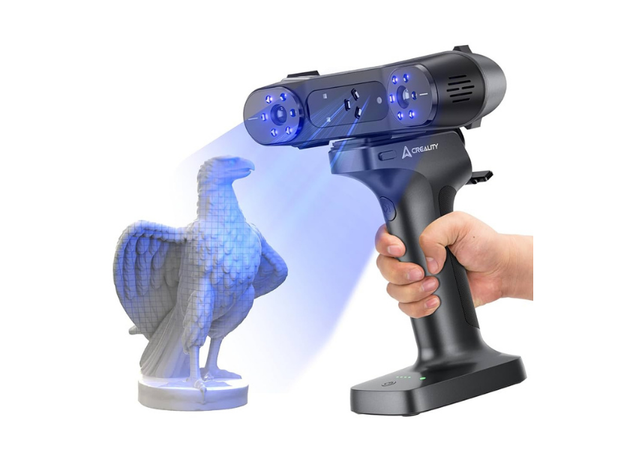
A step-by-step process to help you choose, test, and implement the right 3D Scanner.
Understand the customer’s application, materials surface finish, part size, precision required and final design requirements.
Identify the most suitable scanner configuration and design software workflow for optimal accuracy and efficiency.
Conduct sample scans to validate accuracy, surface detail, and workflow performance before final implementation.
Share a commercial proposal and assist in exploring leasing, EMI, or institutional finance options to ease the investment.
Manage machine installation, deliver hands-on operator training, and ensure long-term support via AMC or technical service.
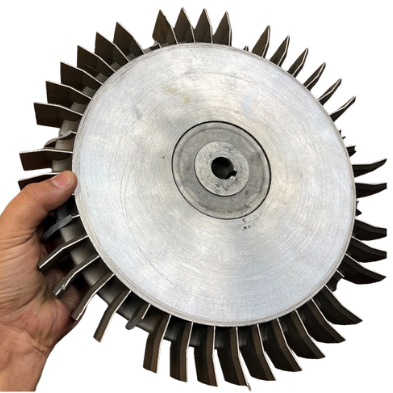
Reverse Engineering of Legacy Parts
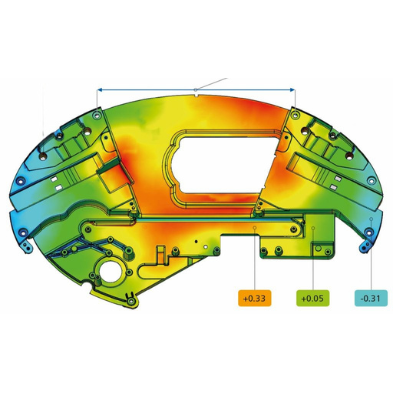
Quality Inspection & Dimensional Analysis
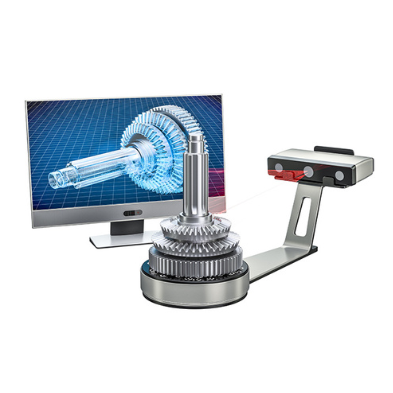
CAD Reconstruction for Manufacturing
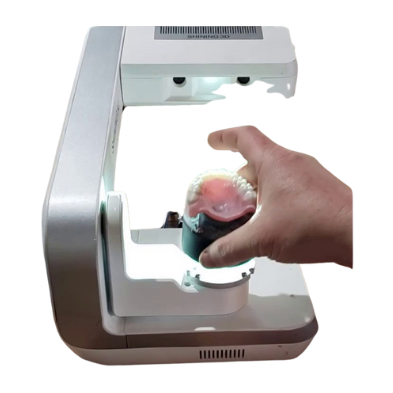
Custom Part Duplication
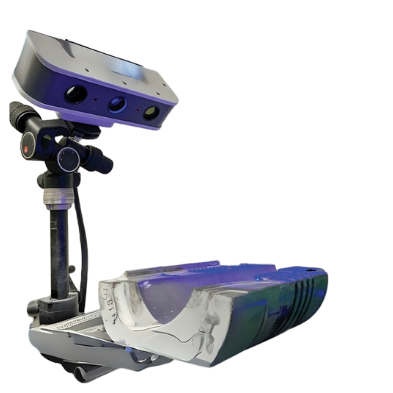
Mould Reverse Engineering
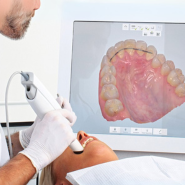
Dental & Orthopaedic Modelling
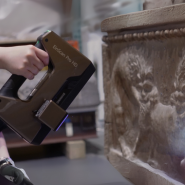
Heritage & Artifact Digitisation
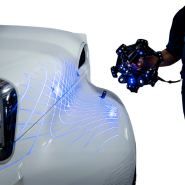
Automotive & Aerospace Surface Analysis
Know Your Technology
3D scanners in India are widely used for inspection, reverse engineering and product design across automotive, aerospace and manufacturing industries. Choosing the right scanner depends on your application, accuracy requirements and workflow.
Applications
How to Choose
Accuracy
For inspection, choose high-accuracy scanners. For reverse engineering and design, moderate accuracy is usually sufficient.
Object size
Handheld scanners suit large parts. Fixed scanners work best for smaller, high-precision components.
Surface type
Reflective or dark surfaces can be challenging. Choose scanners that handle these conditions or plan for surface treatment.
Software compatibility
Ensure compatibility with your tools like SolidWorks, Fusion 360 or Geomagic, and confirm supported file formats.
Brands & Models
Shining3D (EinScan & FreeScan)
Creality 3D Scanners
How SAHAS Helps
Trusted by 1,500+ companies across automotive, aerospace and manufacturing industries in India.
Have a part to scan? Bring it to us and see exactly how the right scanner performs for your application.
Book a DemoExplore Further
Explore the full range of 3D printing and scanning technologies available with SAHAS in India.
Let's connect