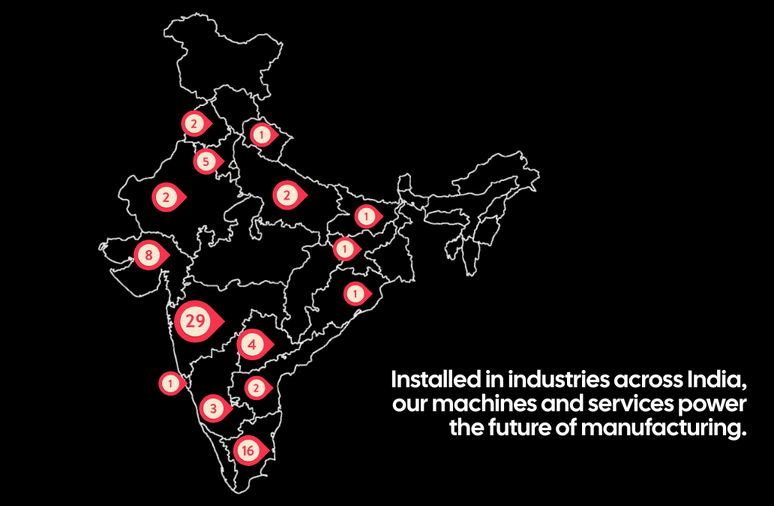
SLA & DLP Resin 3D Printers

High-Resolution 3D Printing with SLA & DLP

SLA and DLP printing offer unmatched accuracy and visual clarity, suitable for functional prototypes, design models, and complex geometries.

Let's Discuss

Our SLA Machine Setup Process

A step-by-step process to help you choose, test, and implement the right SLA 3D printer.

Step 1

Requirement Analysis

Understand the customer’s application, materials, part size, precision, volume needs, and budget.

Step 2

Machine and Material Selection

Identify the best-fit machine models and compatible materials based on application, performance needs, and budget.

Step 3

Sample Benchmarking (If Needed)

Print sample parts to validate print quality, dimensional accuracy, and material performance for critical applications.

Step 4

Proposal and 3rd Party Financing Options

Share a commercial proposal and assist in exploring leasing, EMI, or institutional finance options to ease the investment.

Step 5

Installation, Training and Support

Manage machine installation, deliver hands-on operator training, and ensure long-term support via AMC or technical service.
Top Applications of SLA / DLP Resin 3D Printers

Explore real-world uses of SLA and DLP in prototyping, tooling, and end-use parts.

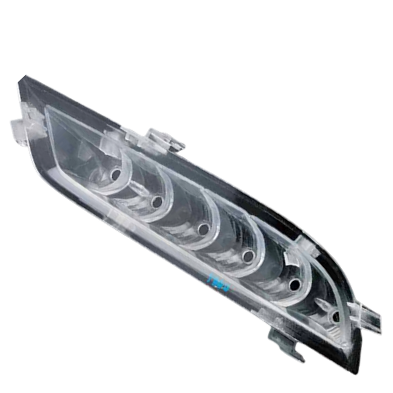
Automotive Lighting, Housings & Interiors
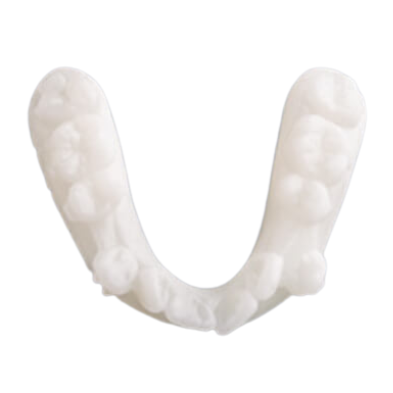
Dental Models & Aligners
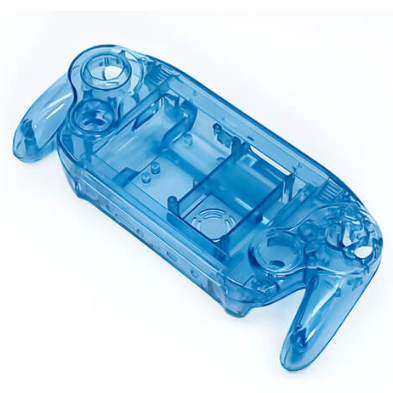
High-Detail Product Prototypes
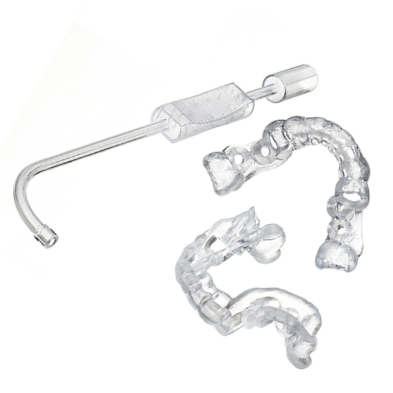
Medical Models & Surgical Guides
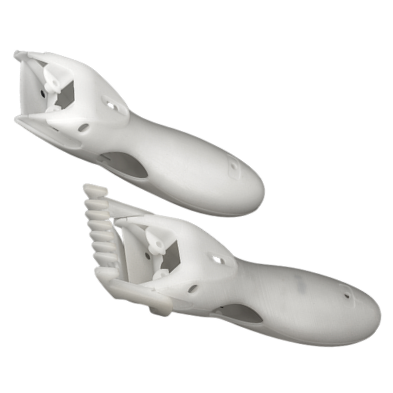
Electronics housings
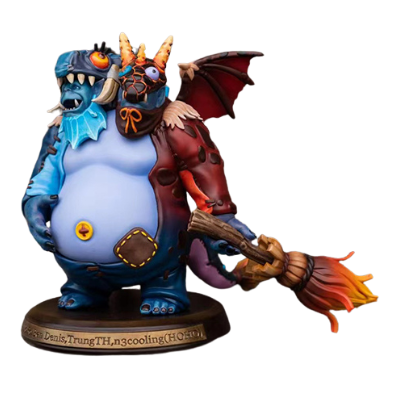
Sculptures and Figurines
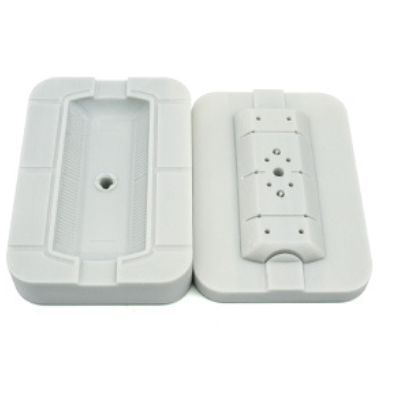
Custom Moulds & Soft Tooling
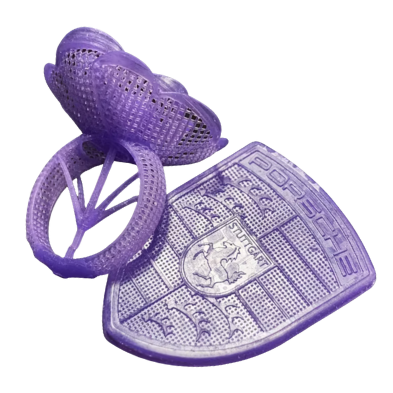
Jewellery Casting Masters

SLA / DLP 3D Printers We Offer

Resin Materials for SLA / DLP 3D Printers

Let's connect

Contact Form Image

Frequently Asked Questions

SLA uses a UV laser and DLP uses a digital projector to cure photosensitive resin layer by layer, enabling high-resolution prints with fine details and smooth finishes.
SLA uses a point-by-point laser to cure resin, resulting in smoother surfaces on larger parts. DLP cures entire layers at once, offering faster print speeds on smaller build areas.
Typical layer heights range from 25 to 100 microns. Higher resolution settings offer finer details but increase print time.
Resins include standard, tough, flexible, castable, biocompatible (dental/medical), high-temperature, and ceramic-filled resins—each tailored for different applications.
SLA/DLP printers can achieve tolerances of ±0.05 to ±0.2 mm depending on part size, geometry, and calibration.
Yes, overhangs and bridges require supports during printing. These are removed manually after post-curing and may leave small marks on the surface.
Post-processing includes IPA washing to remove uncured resin, UV curing to finalize mechanical properties, and support removal. Optional steps include sanding or coating.
Temperature and humidity can affect resin viscosity and curing. SLA/DLP printers perform best in controlled environments between 20–30°C with low humidity.
Limited material strength and thermal resistance make these parts less suitable for heavy-duty functional use. Larger parts also require careful orientation to avoid warping.
Maintenance includes cleaning the resin vat, replacing FEP films, checking the build platform alignment, filtering resin, and keeping optical paths clean for consistent print quality.
WhatsApp